What is the best flooring for kids?
There isn’t one “best” kid-proof floor, but you can pick something that’s comfortable, easy to clean, and won’t scratch or stain as easily. This guide compares top options and shows what to ask a licensed contractor.
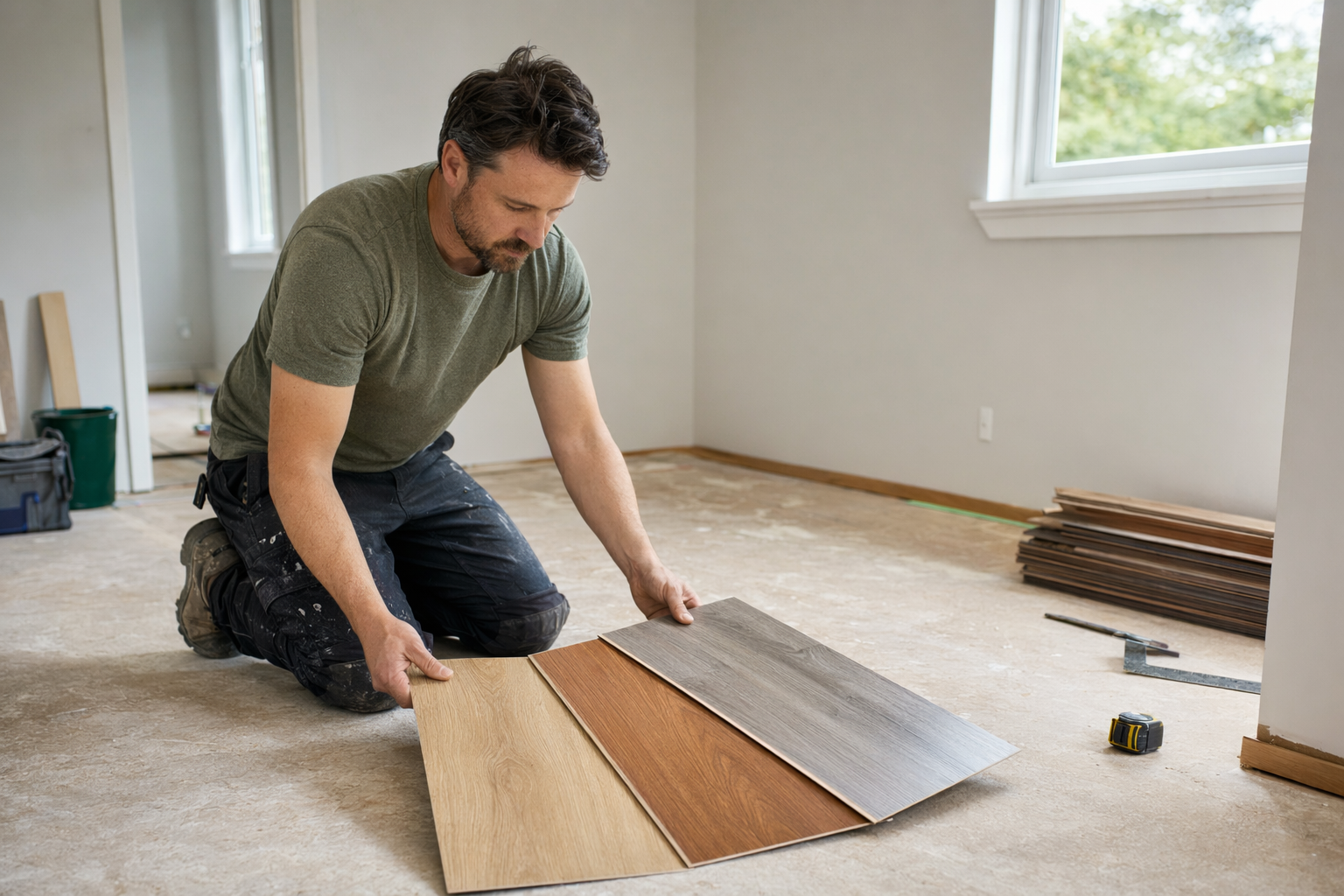
Kid-friendly flooring is usually about scratch resistance, spill handling, comfort, and good installation—often LVP or engineered wood, with carpet for maximum softness.
Quick answer: what’s usually best for kids
For most families with kids, luxury vinyl plank (LVP) or engineered wood are common “best balance” choices: they feel nicer underfoot than many hard floors, handle daily messes better, and can be replaced section-by-section if needed.
If your top priorities are comfort and softness, carpet (with the right padding) can help with falls and makes play more comfortable. If your priority is maximum durability for heavy traffic, tile can work—just be aware it’s hard and can be slippery when wet.
The best choice depends on two things you can control: where the kids will be (room + moisture risk) and how the floor is installed (especially the underlayment/subfloor prep).
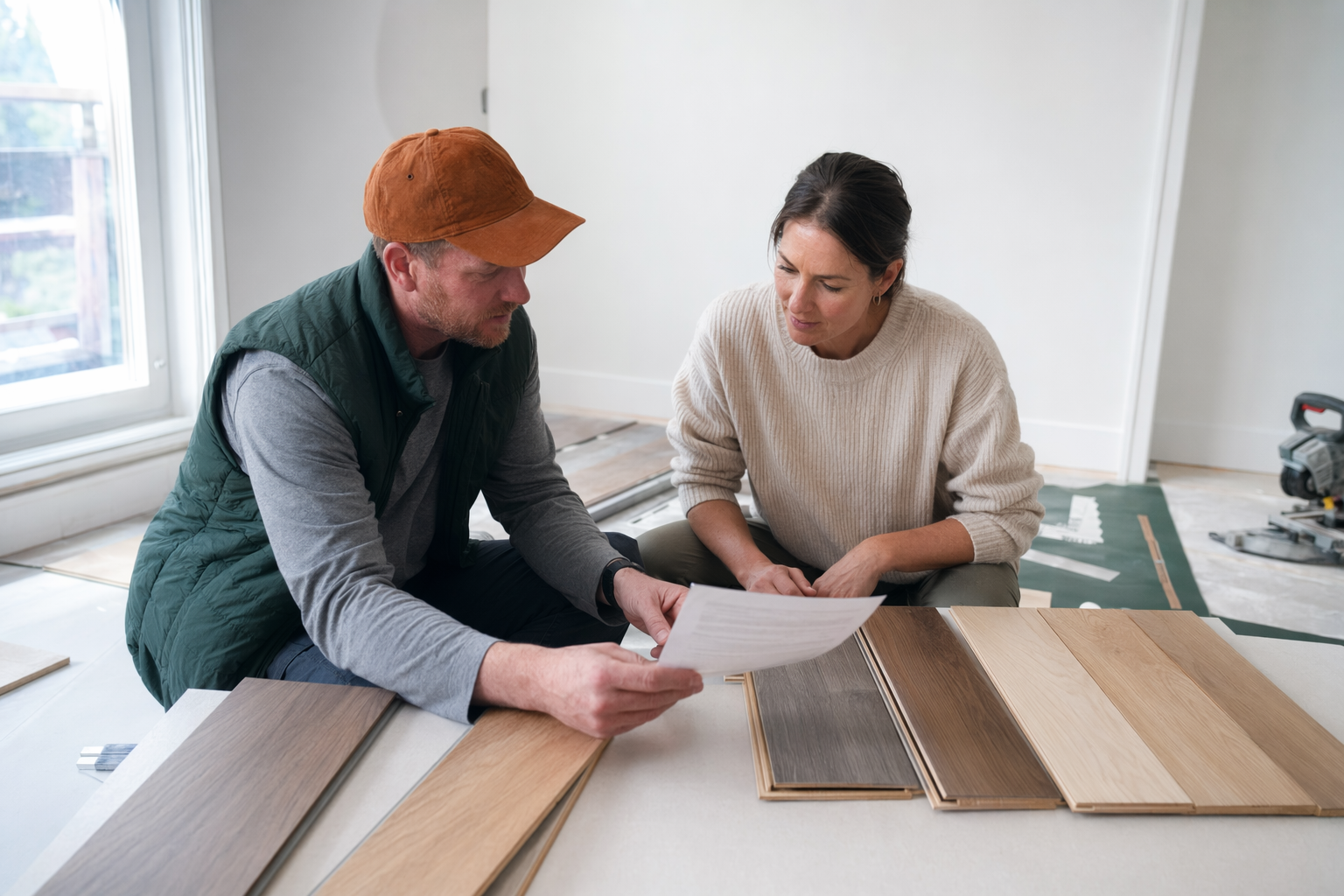
What matters most for kids (real-life priorities)
Kid-friendly flooring is about everyday wear: shoes, toys, dropped cups, puddles, pet accidents, and lots of rolling and dragging. It’s also about how the floor *feels*—how loud it is, how slippery it is, and how hard it is when someone falls.
When you’re comparing materials, focus on:
- Scratch resistance (kids move things, and sand/dirt acts like sandpaper)
- Stain and moisture behavior (spills are going to happen)
- Ease of cleaning (your regular cleaner should not damage the finish)
- Comfort + safety (hardness and traction matter)
Also remember: the installer can make a good product perform better (or worse). Smooth, stable subfloors and correct underlayment are often more important than the marketing label.
Top flooring options for kids (and their trade-offs)
1) Luxury Vinyl Plank (LVP)
- Look/feel: Warm enough to live with, and many styles mimic wood. It’s not as hard as tile.
- Durability: Generally holds up well to scratches and daily scuffs, especially with a good wear layer.
- Moisture: Often one of the safest bets for kitchens, entryways, and basements (varies by product and installation).
- Trade-off: If water gets under poorly installed seams/edges, it can cause issues—so correct installation and matching transitions matter.
2) Engineered Wood
- Look/feel: Very natural look and warmer underfoot than solid wood.
- Durability: Can be a great choice with a tough factory finish.
- Moisture: Better than solid wood in many homes, but it still doesn’t like flooding. Keeping humidity and spills under control matters.
- Trade-off: It’s usually more expensive than LVP, and it won’t handle standing water the way many vinyl floors can.
3) Carpet
- Look/feel: Soft and comfortable for play and falls.
- Durability: Quality carpet and proper padding help it hold up.
- Moisture: Not great for repeated wet spills; stains can become permanent if not cleaned quickly.
- Trade-off: Carpet traps dirt and needs regular cleaning. If your kids are very messy or you have allergies, you’ll want to think carefully.
4) Laminate
- Look/feel: Affordable “wood-like” option.
- Durability: Decent scratch resistance, especially in higher-wear lines.
- Moisture: Can swell if water sits—so it’s not ideal for frequent puddles.
- Trade-off: Sometimes it sounds hollow or “clicky” if the underlayment isn’t right.
5) Tile (porcelain/ceramic)
- Look/feel: Durable and easy to clean.
- Moisture: Usually very good for spills.
- Trade-off: It’s hard underfoot, so it’s less forgiving for falls. It can be slippery depending on the tile surface.
If you’re unsure, start with LVP (most families), engineered wood (if you want natural wood), or carpet (if comfort is your #1 priority). Then narrow by room and moisture risk.
Best rooms for each type (what to avoid)
Here’s a practical way to think about it by room:
- Living room / bedrooms: Carpet or engineered wood are popular. LVP also works well if you want easier cleanup.
- Hallways: LVP or laminate can handle traffic well, as long as seams and underlayment are done correctly.
- Kitchen / dining / entry: LVP is often a top choice for spills. Tile can also work well.
- Basement (especially damp areas): LVP designed for below-grade and moisture conditions is often considered. Avoid materials that can be damaged by moisture if your space tends to stay damp.
What to be cautious about:
- Avoid assuming “water-resistant” means “waterproof.” The installer and details around seams/edges matter.
- Avoid cheap products with vague specs—especially if the family will put the floor through heavy daily use.
- Avoid skipping prep. Even the best floor won’t perform well over uneven or poorly prepped subfloors.
How much does kid-friendly flooring cost? (honest ranges)
Costs vary by region, subfloor condition, room shape, and the specific product line—not just the material name. These are typical installed ranges (material + installation). Your final price can be higher or lower.
- LVP: about $4–$8 per sq. ft. installed
- Engineered wood: about $7–$14 per sq. ft. installed
- Carpet (installed): about $3–$7 per sq. ft. installed (quality and padding change the number)
- Laminate: about $3–$7 per sq. ft. installed
- Tile: about $8–$18 per sq. ft. installed (tile size, layout complexity, and underlayment can raise this)
To manage budget, ask contractors what’s driving their number—often it’s:
- Subfloor prep (leveling, patching, moisture fixes)
- Remove/haul-away of old flooring
- Underlayment/padding choices
- Room complexity (stairs, closets, lots of cuts)
- Transitions and molding around doorways
For room planning, estimate more than you think you need for waste (especially if the room is not a simple rectangle).
Avoid overpaying: contractor red flags + what to ask
PlankPath is a free matching service that helps connect you with licensed, insured flooring contractors near you. We don’t install floors and we don’t sell materials.
Still, you’ll want to vet contractors yourself. Red flags to watch for:
- No license or no proof of insurance (ask to see it)
- Huge upfront cash deposits or large payments before any work is done
- Cash-only pricing with no receipt or written agreement
- Pressure to sign on the spot
- Vague pricing like “about $X” without showing what’s included
- Skipping key prep (for example, not discussing subfloor condition/levelness)
What to ask for (and insist on) before you sign:
- A written estimate with the exact material, thickness/wear layer (if applicable), and installation details
- Scope in writing: removal/haul-away, underlayment/padding, transitions, and cleanup
- Total price and a payment schedule
- A plan for damage/water/stain protection during install
Then compare more than one quote. If a quote is dramatically lower, ask what they’re leaving out.
Get matched (free) and narrow to kid-safe choices
If you tell us your ZIP and what you’re considering, PlankPath can match you with licensed, insured flooring contractors—free for you—so you can get clearer, itemized options.
Before you request bids, pick your “must haves,” like:
- easy cleanup
- scratch resistance
- comfort for play
- good performance in kitchens/entry
Helpful links:
- Get matched
- See flooring cost basics
- Guides for choosing
- Help