How much does flooring cost per square foot?
Most flooring projects are priced by the square foot, but the real installed cost can vary a lot. Material, labor, subfloor condition, room layout, and your ZIP code all affect the final number.
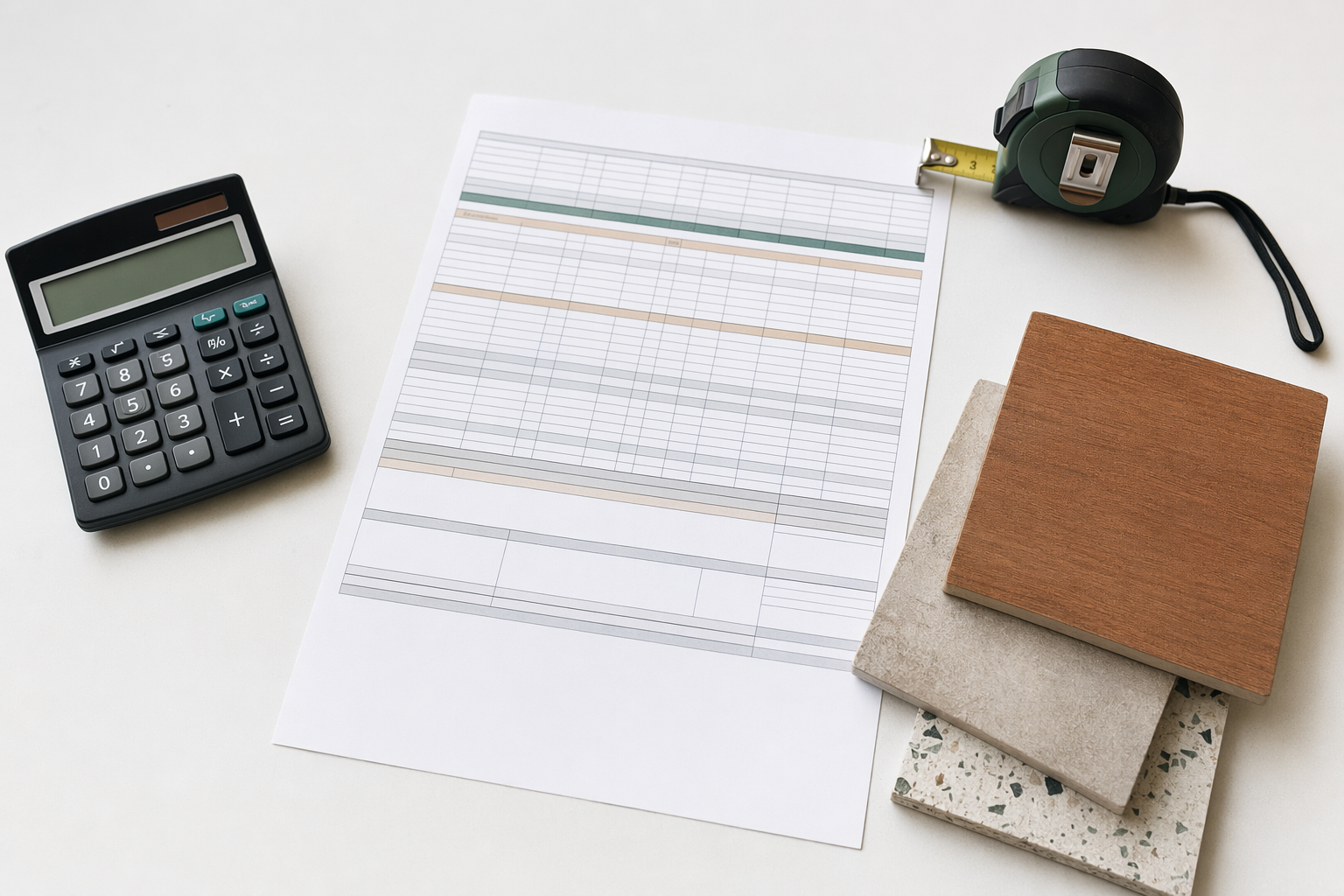
Most flooring costs about $3 to $20+ per square foot installed, but the real price depends on the material, the room, the subfloor, and the contractor, so get the scope in writing and compare quotes.
Short answer: flooring often runs about $3 to $20+ per square foot installed
For many homes in the United States, a full flooring project lands somewhere between about $3 and $20 or more per square foot installed, depending on the material. Budget-friendly options like some carpet, sheet vinyl, or basic laminate can be on the lower end. Hardwood, tile, premium luxury vinyl, and complicated installs can cost much more.
A quick rough guide for material plus installation: laminate often runs around $3 to $8 per square foot, luxury vinyl plank about $4 to $10, engineered wood about $6 to $13, solid hardwood about $8 to $18, tile about $7 to $20+, and carpet about $3 to $11. These are general ranges, not quotes.
The number changes based on the product you choose, the condition of the subfloor, the room, the region, and the size of the job. A small bathroom or staircase usually costs more per square foot than a simple open living room because the labor is harder and slower.
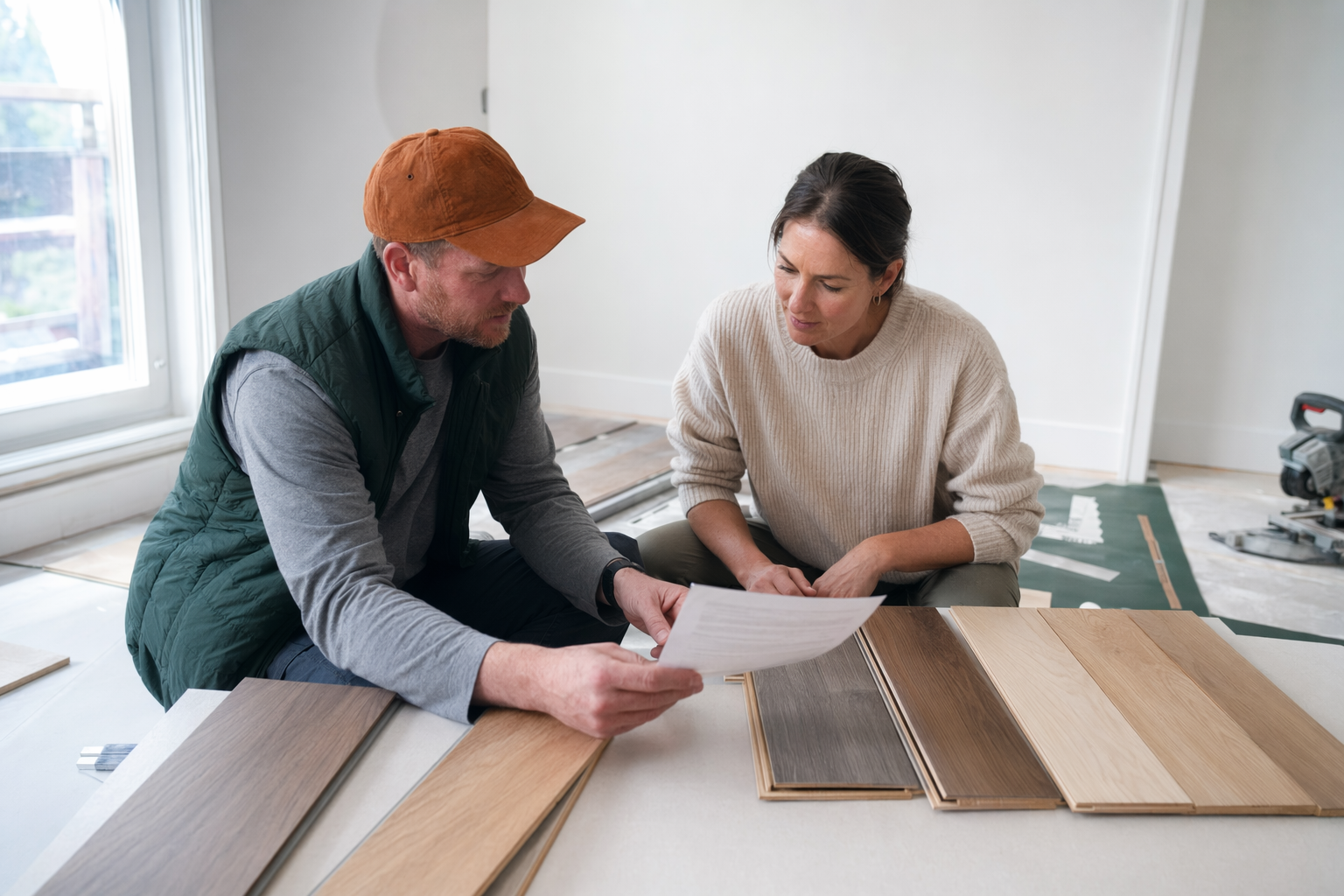
Typical cost ranges by flooring type
These installed price ranges are general information only. They are useful for planning, but they are not bids, and local prices can be very different.
- Laminate: about $3 to $8 per square foot installed
- Luxury vinyl plank or tile: about $4 to $10 per square foot installed
- Engineered wood: about $6 to $13 per square foot installed
- Solid hardwood: about $8 to $18 per square foot installed
- Tile: about $7 to $20+ per square foot installed
- Carpet: about $3 to $11 per square foot installed
- Hardwood refinishing, if you are keeping real wood: often about $3 to $8 per square foot
Lower-cost products are usually thinner, simpler to install, or less durable. Higher-cost products may have better wear layers, thicker boards, more realistic texture, more difficult patterns, or more prep work. If you are still comparing options, the cost guides and guides can help you narrow it down.
Why one home pays more than another
The flooring itself is only part of the price. Labor, prep, and room conditions can change the total a lot. Old flooring removal, furniture moving, floor leveling, moisture problems, stairs, trim work, baseboards, transitions, and disposal fees all add cost.
Subfloor condition matters more than many people expect. If the floor underneath is uneven, damaged, damp, or noisy, a licensed flooring contractor may need to patch, level, dry, or repair it before new flooring goes down. Skipping that step can lead to squeaks, gaps, cracked tile, or floors that fail early.
Region matters too. Labor costs are usually higher in expensive metro areas than in smaller towns. Climate matters as well. In humid, coastal, or very wet areas, moisture control and material choice can affect both cost and performance. Local building codes also vary.
Room type changes the math. Kitchens, bathrooms, laundry rooms, basements, and entryways often need more moisture resistance and more careful installation. Open, rectangular rooms are usually cheaper per square foot than tight rooms with many corners, closets, or built-ins.
What is usually included — and what may cost extra
When a contractor gives a flooring quote, ask what is actually included. Some quotes cover material, underlayment, basic installation, and cleanup. Others leave out removal, leveling, trim, moving furniture, haul-away, or moisture testing, which can make a low quote look cheaper than it really is.
Ask for the scope in writing before you decide. You want to see the flooring product, thickness or wear layer if relevant, square footage, prep work, transitions, trim, who moves furniture, who removes old flooring, and how waste material is handled. Written details make it easier to compare one quote to another fairly.
A very low number is not always a bargain. Sometimes it means the installer plans to rush the job, skip subfloor prep, use a lower-grade product than you expected, or add surprise charges later.
How to avoid overpaying or hiring the wrong installer
A few red flags are common in flooring jobs. Be careful if someone gives vague pricing, asks for a huge upfront cash deposit, wants cash only, cannot show a license or insurance when required locally, pressures you to sign right now, or brushes off questions about the subfloor. Those are warning signs.
A safer approach is simple:
1. Get at least two or three quotes in writing.
2. Make sure each quote lists the same material quality and scope.
3. Verify the contractor is licensed and insured if your area requires it.
4. Ask how they handle floor prep, moisture issues, and cleanup.
5. Do not rely on verbal promises alone.
6. Confirm the work looks right before paying the final amount.
The homeowner stays in control. Compare quotes, ask questions, and choose who to hire. General information online can help you plan, but a licensed flooring contractor should evaluate your actual rooms and local code requirements.
How PlankPath can help
PlankPath is a free matching service, not a flooring contractor, installer, or store. We do not perform flooring work or sell materials. We help homeowners and renters connect with licensed, insured flooring contractors near them so they can compare written quotes.
Using the service is free for the homeowner. If you want help finding local pros, you can get matched and share only basic project details: your name, phone, optional email, project type, material you are considering, ZIP code, approximate square footage, and preferred language.
That can be helpful if you are not sure where to start, especially if you are more comfortable in a language other than English. You can also visit our help page for common questions.