How much does it cost to install hardwood floors?
Hardwood floor installation costs vary a lot by your wood type, subfloor condition, and your region. Here are realistic per-square-foot ranges, the main cost drivers, and how to get solid contractor quotes you can compare.
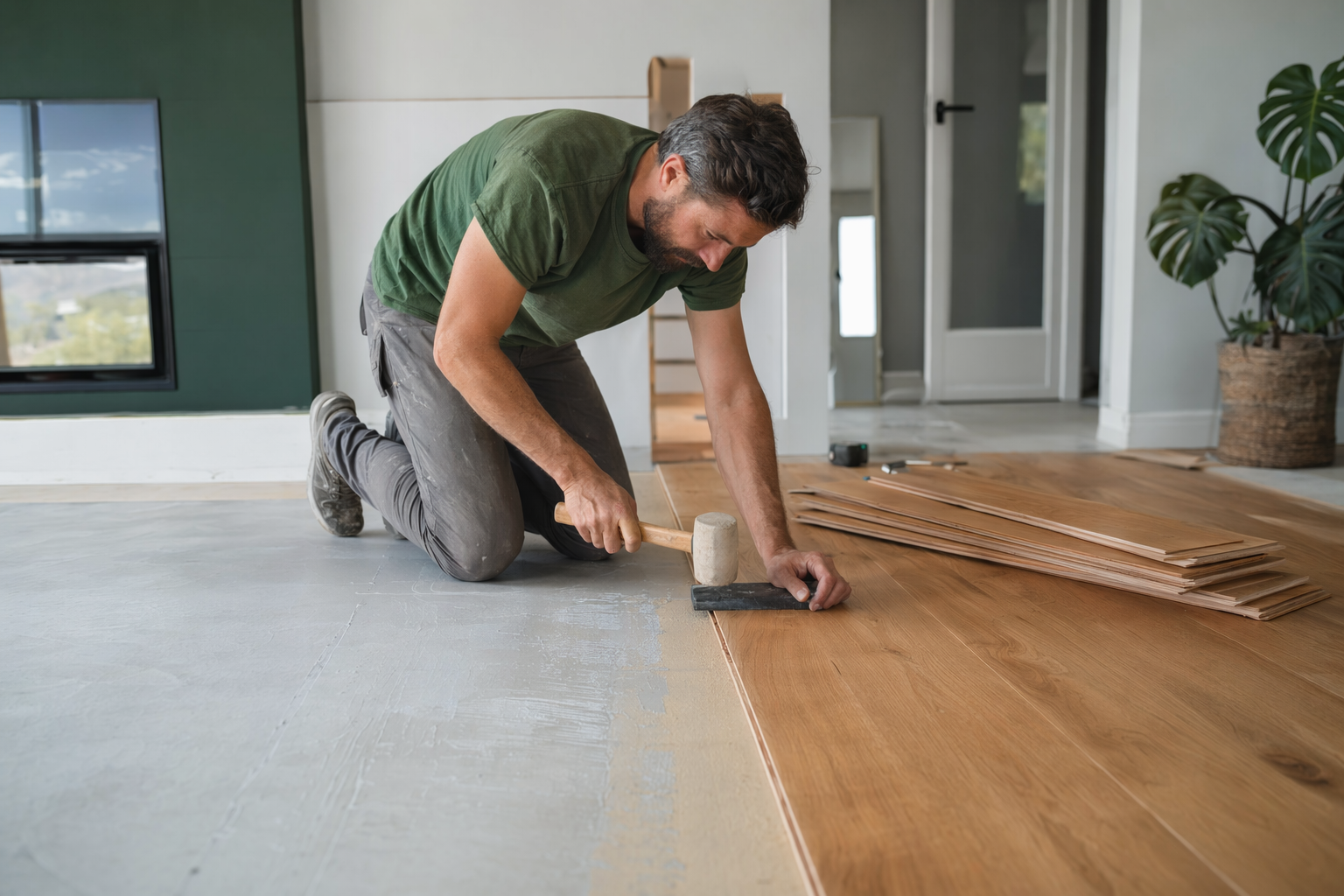
Hardwood install pricing is usually about $6–$15 per square foot installed, and the real cost depends on the wood type and how much prep your floor needs—get clear written quotes from licensed, insured contractors and compare them before you hire.
Quick answer: typical hardwood installation cost ranges
Most homeowners spend about $6–$15 per square foot for hardwood floor installation (wood + labor), but it can be lower or higher depending on the details.
In many areas, the biggest swing comes from (1) the hardwood type (solid vs. engineered), (2) how much old flooring prep is needed, and (3) whether the job is straightforward or has tricky areas (stairs, patterns, lots of cuts).
PlankPath is a FREE matching service that can connect you with licensed, insured flooring contractors near you—no cost to you. We don’t install floors or sell materials, and we can’t guarantee pricing, timelines, or outcomes.
If you want the fastest way to budget, ask for a written quote that includes the floor type, the full scope of work, and the total square footage being priced (not just a ballpark).
- Common rough range: $6–$15/sq ft installed (materials + labor), not a quote
- Expect the final number to depend on prep needs, room layout, and region
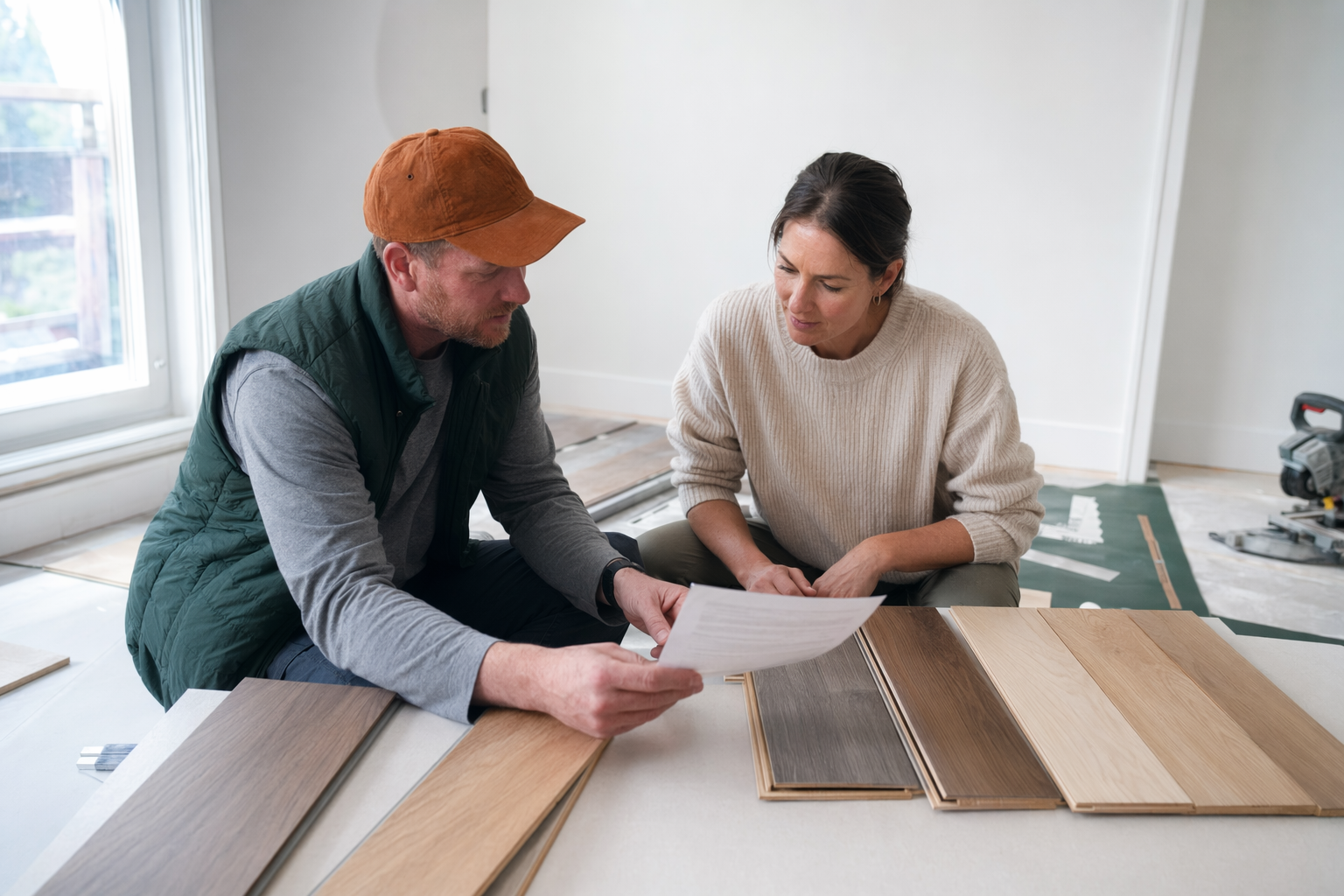
What’s included (and what often costs extra)
A “hardwood install” price can mean different things. Some quotes include removal of old flooring and hauling it away; others only cover the new wood and basic labor. Always compare what’s actually in the scope.
Typical line items that can be included (or added) include: removing old flooring, underlayment/foam where needed, leveling of minor subfloor issues, installing the hardwood (nail/glue methods depend on product type), trimming at edges, installing reducers/transition strips, and cleanup.
Costs often rise when the contractor has to deal with uneven floors, multiple rooms, lots of doorways, closets, or stairs. Also, if you choose wider planks, specialty finishes, or higher-end wood, material cost goes up.
For step-by-step planning and budgeting basics, you can browse costs and what to expect and our broader guides.
Hardwood types that change the price (solid vs. engineered)
“Hardwood” is a general term, and the install cost depends heavily on the product you choose.
Solid hardwood is made from one piece of wood and is often installed with a nailing method (common on wood subfloors). Engineered hardwood has a wood veneer on top with layers underneath; it’s usually more forgiving for some climates and subfloor conditions. Engineered can also be installed over more types of subfloors depending on the manufacturer’s instructions.
Why this matters for cost: your contractor may need different prep, different underlayment (if any), and a different installation method. Material price also differs—higher-grade wood and wider planks are usually more expensive.
If you’re deciding between options for a specific room, use get matched to talk to licensed contractors who can advise based on your home and the exact product you’re considering.
Room-by-room: where hardwood tends to work best (and where it gets tricky)
Hardwood is popular for living rooms, hallways, and bedrooms because it’s warm, gives a classic look, and can last a long time with proper care.
Bathrooms and basements need extra caution. Even if a homeowner loves the look, moisture control matters a lot. Hardwood (especially solid) can react to humidity and water exposure. Engineered products may perform better than solid in some situations, but the specific product’s moisture guidance still matters.
Kitchens can be fine, but think about spills and day-to-day water—quick cleanup and a plan for wet messes help. Entryways are another “real life” area: salt, grit, and heavy foot traffic can wear finishes faster.
If you’re matching flooring to your lifestyle and room conditions, our guides pages can help you compare materials and practical trade-offs before you request quotes.
How to get good quotes: scope, measurements, and writing
To avoid surprises, ask contractors to quote the same scope in writing. Request: the exact product name (solid/engineered, species, thickness, plank width/length), the finish (if known), and the installation method they plan to use.
Make sure the quote states what they include for prep (removal, subfloor leveling/repair if needed, underlayment if used), what they include for transitions/reducers, and who is responsible for hauling debris.
Also ask how they measured the square footage. A common issue is quotes based on inaccurate measurements or assumptions about trimming around many obstacles.
Before you sign, compare more than one written quote and confirm the contractor is licensed and insured. For general help on what to ask, see help.
Red flags to watch for (hardwood scams and overcharging)
A fair price is one thing—unclear pricing or unsafe business practices is another. Red flags include vague quotes like “hardwood installation” with no product details, no breakdown of labor vs. materials, or no mention of prep work.
Be cautious with huge upfront cash deposits, cash-only payments, or pressure to sign immediately. Legit contractors usually want time to review measurements, discuss finish options, and provide a clear written scope.
Also watch out for claims that skip important steps. If a quote doesn’t address subfloor condition or doesn’t match the flooring manufacturer’s installation instructions, ask questions. You want a contractor who can explain the approach—not rush past it.
When you’re ready, use PlankPath’s free matching to find licensed, insured contractors nearby via get matched, then compare their written quotes side-by-side before choosing who to hire.