How much does it cost to install laminate flooring?
Laminate flooring usually costs less than hardwood or tile, but the real price depends on your subfloor, room size, and the underlayment you need. Here are honest cost ranges and what to ask for before you sign.
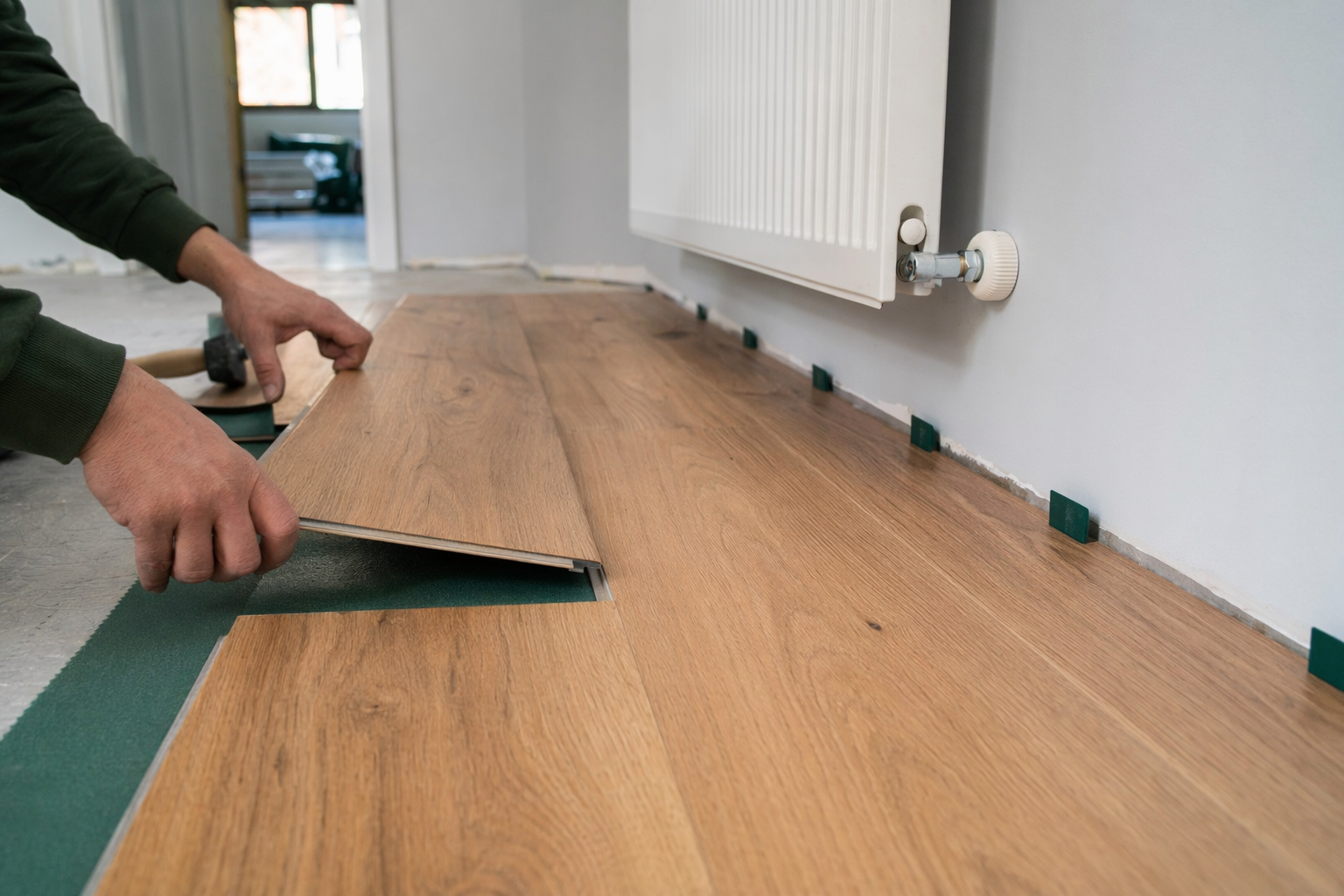
Laminate flooring often runs about $3–$8 per square foot installed (sometimes more), and your final cost depends on the product, underlayment, and how much prep your subfloor needs—so compare written bids from licensed, insured contractors.
Quick answer: what laminate flooring typically costs installed
For most homes, laminate flooring installed commonly lands around $3 to $8 per square foot for the full job (materials + installation). In some areas or tricky rooms, it can be $8 to $12+ per square foot.
These numbers are not quotes. Your final cost depends on which laminate level you choose (and its thickness/wear layer), whether you need underlayment, how hard the room is (stairs, odd cuts, lots of edges), and how flat your subfloor is. Bigger jobs often average out costs, but there’s always a minimum trip/prepare fee.
If you want a free match with licensed, insured flooring contractors near you, start with getting matched. Then you can compare their written proposals for the same scope.
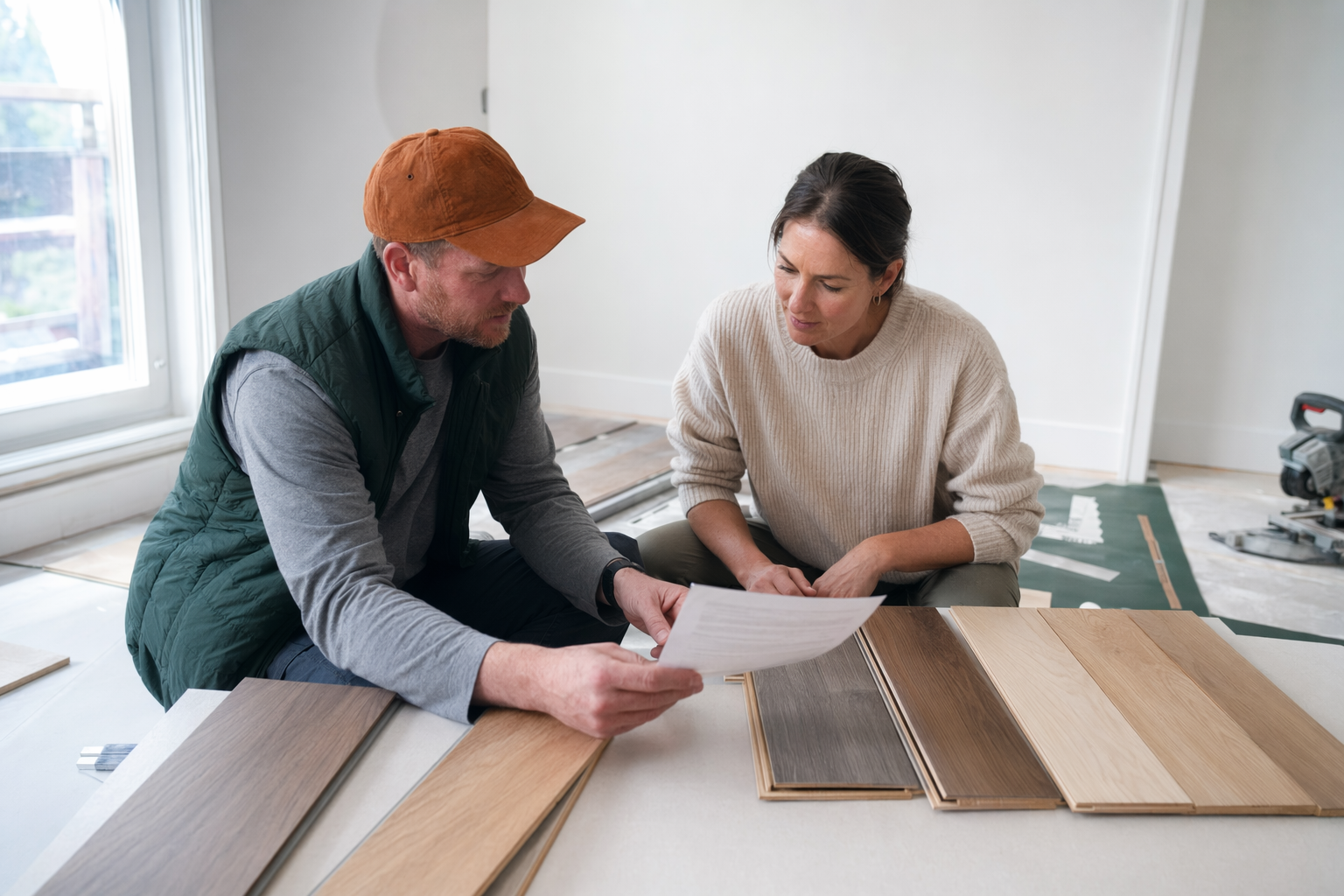
Typical laminate costs (breakdown by what changes the price)
Laminate has two main cost buckets: the flooring itself and the installation (including prep). Many quotes also include underlayment and transition pieces (like reducers at doorways).
Below are general per-square-foot ranges homeowners often see. Your installer may bundle things differently, so compare item-by-item when you can.
- Laminate material: about $1.50 to $4.50/sq ft (budget to mid-range). Higher-end laminate can cost more.
- Underlayment / moisture barrier (if needed): about $0.20 to $1.00/sq ft.
- Installation labor (including trim/finishing): about $1.50 to $4.50/sq ft
When you add it up, that’s where many installed totals land in the $3–$8/sq ft range. If your room needs extra subfloor leveling, a lot of transitions, or additional prep time, the higher end becomes more likely.
What laminate is like to live with (and where it tends to fail)
Laminate is made to look like wood (or stone) with a printed design under a protective “wear layer.” It’s popular because it can be attractive, budget-friendly, and relatively quick to install.
Day-to-day feel depends on thickness and underlayment: laminate usually feels a bit more “clicky” and hollow than solid flooring, and it can be louder. The right underlayment helps with sound and comfort.
Moisture is the big concern. Laminate is not the same as waterproof flooring. If water sits and reaches seams, it can cause swelling at edges and make boards lift. In general, laminate is safest in dry, climate-stable rooms and less ideal for full-bath floors or areas with frequent standing water.
Wear and scratching: It resists everyday scuffs pretty well, but it’s still not indestructible. In high-traffic entries, choose a laminate with a strong wear layer and consider rugs or mats.
Best and worst rooms for laminate
Laminate usually works well in rooms where temperature and humidity stay fairly steady—like many living rooms, bedrooms, hallways, and closets. It can also be a decent choice for some dining rooms and home offices.
It’s usually a tougher match for:
- Bathrooms (especially near showers/tubs)
- Laundry rooms where water spills are common
- Kitchens unless the install and moisture protection are handled carefully
- Areas that get wet often or have known moisture issues
If you’re unsure about moisture risk in your specific home, ask installers what they recommend for your subfloor and how they plan to handle seams, transitions, and moisture barrier needs. For the most accurate guidance, follow local building standards and the manufacturer’s installation instructions.
How to avoid overpaying or getting stuck with a bad install
You don’t need to be an expert to protect yourself. What matters is scope clarity and written pricing. Get at least 2–3 proposals and compare them the same way: what laminate grade, what underlayment, what prep, and what exactly is included.
Red flags to watch for:
- Vague pricing (“materials and labor included” with no numbers)
- Huge upfront cash deposits or asking for full payment before work starts
- Cash-only payments
- No proof of license and insurance (or they refuse to show it)
- Pressure to sign on the spot
- Skipping important prep by saying it “won’t matter,” especially if the subfloor isn’t flat
After you choose a contractor, confirm details in writing:
- The material brand/line (and wear layer if listed)
- The underlayment/moisture barrier included (or not)
- The plan for transitions and trim
- Whether floor leveling/flatness prep is included
Before paying the final amount, do a walk-through and check for clean edges, proper expansion gaps, smooth transitions, and any obvious gaps or misalignments.
Get matched and compare quotes the right way
PlankPath is a free matching service, not a flooring contractor and not a store. We help you connect with licensed, insured flooring contractors near you so you can get real bids for your project.
To get better quotes, be ready with a few details: your ZIP code, the approximate square footage, the room(s), what material you’re considering (laminate), and your preferred language.
Then when contractors respond, ask for a written proposal that clearly includes:
- The laminate product (brand/line) and estimated number of boxes
- Underlayment/moisture barrier type
- Installation labor and what’s included in the labor
- Any prep work (like leveling) and whether it’s priced separately
If you’d like help estimating budget expectations for different floors, you can also explore laminate and other flooring costs and general project help at guides.