How much does it cost to install a tile floor?
Most tile floor jobs land around $8 to $25 per square foot installed, but some are lower and many go higher. The real price depends on the tile, the room, the subfloor, and how much prep work the installer has to do.
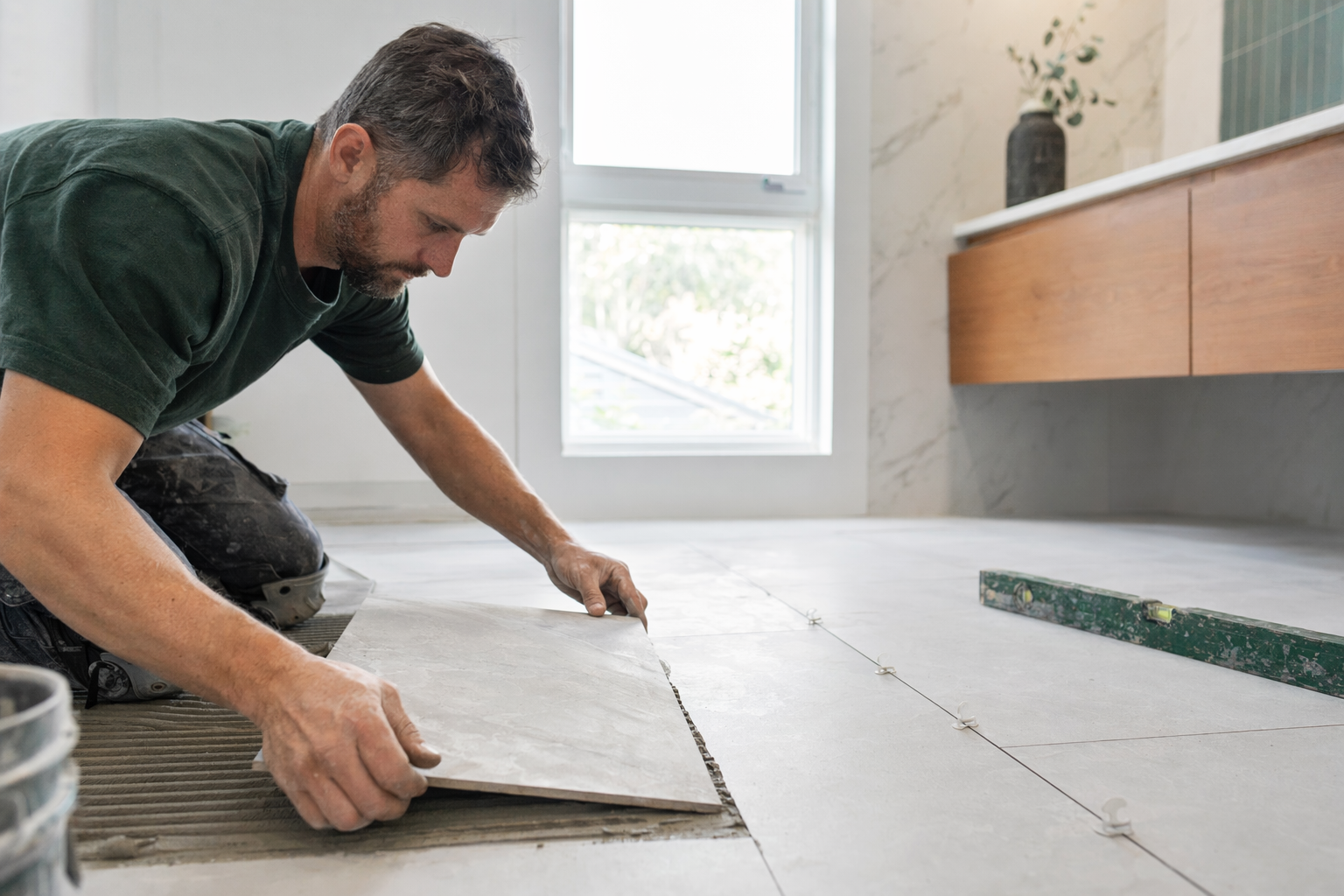
Tile floor installation often costs about $8 to $25 per square foot installed, but prep work and room complexity matter a lot, so get the full scope in writing and compare quotes.
Short answer: what tile floor installation usually costs
For many homes in the United States, tile floor installation often falls in the range of about $8 to $25 per square foot for material plus labor. Budget ceramic in a simple room may be closer to the low end. Porcelain, natural stone, larger-format tile, detailed patterns, and tricky prep work can push the price well above that range.
A small bathroom usually costs more per square foot than a big open room because there are more cuts, more edges, and less efficiency. Removing old flooring, repairing an uneven subfloor, moving toilets or appliances, waterproofing, and trim work also add to the total.
These are general ranges, not quotes. Actual pricing depends on the tile you choose, your region, the room layout, the condition of the subfloor, and the size of the job. Local labor rates and code requirements vary.
- Basic ceramic tile installed: often about $8 to $15/sq. ft.
- Porcelain tile installed: often about $10 to $20/sq. ft.
- Natural stone tile installed: often about $15 to $30+/sq. ft.
- Demolition, floor prep, and special layouts can raise the price
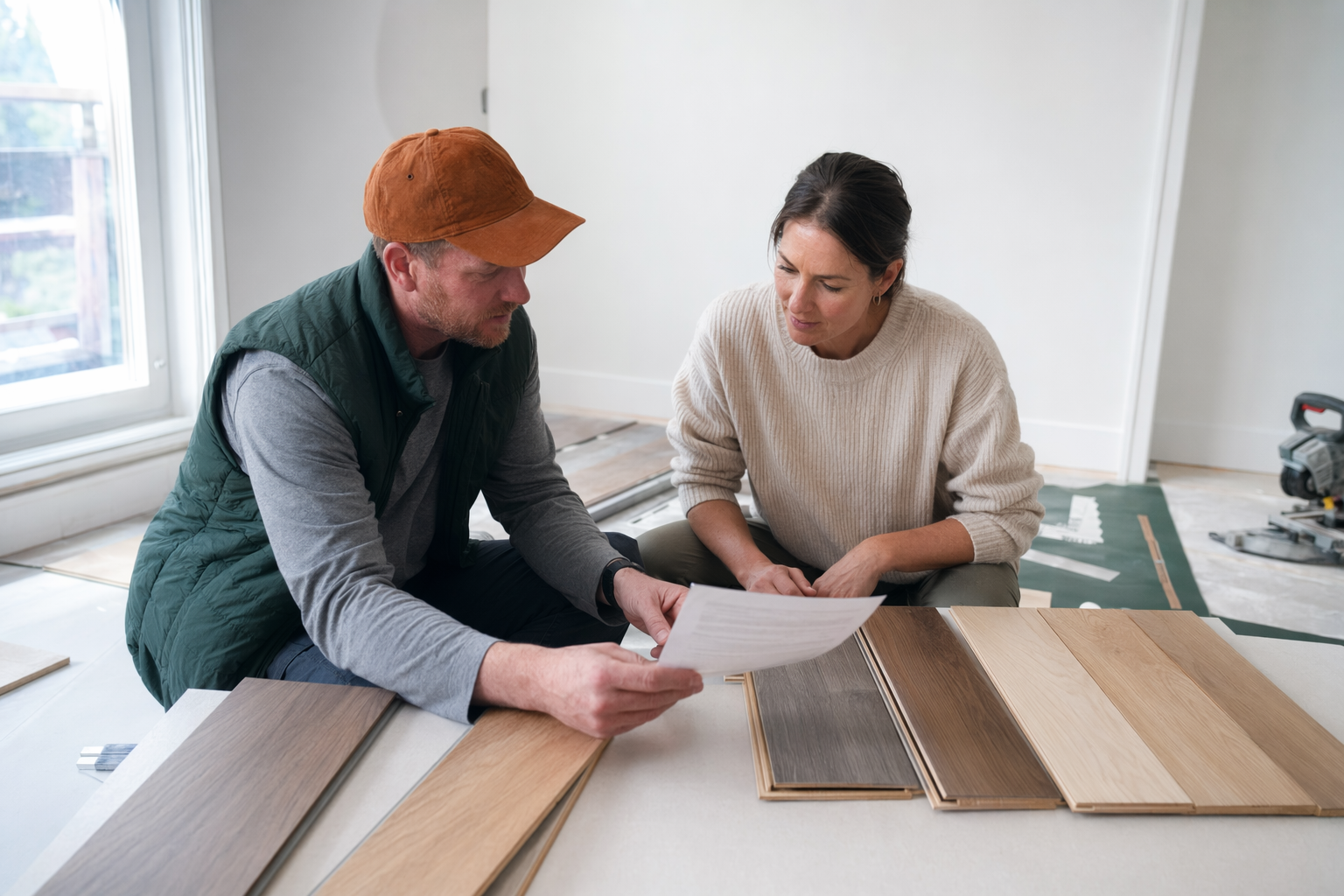
What makes the price go up or down
The biggest cost driver is usually the tile itself. Simple ceramic is often cheaper than porcelain, and natural stone usually costs more than both. Tile size and style matter too. Large-format tile can look clean and modern, but it may need a flatter subfloor and more careful installation. Mosaic sheets and patterned layouts can take much longer to install.
The condition of the floor underneath matters a lot. If the subfloor is uneven, damaged, soft, or not suitable for tile, the installer may need to level it, reinforce it, or add an underlayment before tile goes down. Skipping that step is one of the most common ways a floor fails later.
Room shape also changes the price. A square laundry room is usually simpler than a bathroom with corners, toilet cuts, doorways, and tight spaces. Stairs, transitions to other flooring, floor vents, baseboards, and heavy furniture add labor too.
If you are comparing prices, ask for the full scope in writing: tile brand or type, underlayment, mortar, grout, demo, haul-away, trim, transitions, sealing if needed, and cleanup. That makes it easier to compare one quote to another fairly.
Typical cost breakdown by part of the job
Material and labor are only part of the bill. Many homeowners are surprised that prep and finishing work can take a big share of the budget. If the old floor has to come out first, expect an added charge for demolition and disposal. If the subfloor needs repair or leveling, that can also add a meaningful amount per square foot.
In plain terms, the total often includes tile, setting materials, grout, labor, floor prep, trim or transitions, and removal of the old flooring. Bathrooms and kitchens may also involve extra care around cabinets, tubs, toilets, or appliances.
Here are common line items people see on tile quotes. Not every job needs every item, and prices vary by region and by project.
- Tile material
- Underlayment or crack-isolation/waterproofing layer if needed
- Mortar, grout, spacers, and sealers
- Labor for layout, cuts, setting, and grouting
- Old floor removal and disposal
- Subfloor leveling or repair
- Transitions, baseboard work, and finish details
Best rooms for tile, and when it may cost more than expected
Tile is a strong choice for bathrooms, kitchens, laundry rooms, mudrooms, and entryways because it handles water better than many other flooring types. Porcelain is especially popular in wet or high-traffic spaces because it is dense and durable. In warm climates, many people also like tile throughout the home because it stays cool.
But tile is not always the cheapest option once installation is included. It is heavier, harder underfoot, and less forgiving than many floating floors. In living rooms or bedrooms, some homeowners decide they would rather spend less on installation and choose another material. If you want to compare options, cost guides and other guides can help you see the trade-offs.
Tile jobs also get expensive fast if the installer has to correct an out-of-level floor, rebuild a damaged subfloor, or work around many obstacles. That is why a low number over the phone often changes after an in-person look.
How to avoid overpaying or getting a bad tile installer
Get at least two or three written quotes and compare the details, not just the bottom-line number. A quote that looks cheaper may leave out demolition, subfloor prep, trim, or haul-away. If one price is far below the others, ask what is not included.
Red flags are pretty consistent: vague pricing, pressure to sign right now, huge upfront cash deposits, cash-only demands, no license, no insurance, and anyone who wants to skip checking the subfloor. Tile depends heavily on prep. If the base is not right, the floor can crack, loosen, or sound hollow later.
Before you hire anyone, verify that the contractor is licensed and insured if your state or local area requires it. Ask what prep they expect, how they handle uneven floors, what is included in the quote, and when final payment is due. Keep everything in writing, including material, layout, scope, and cleanup. The homeowner stays in control: compare quotes in writing, choose who to hire, and confirm the work is done right before paying the final amount.
PlankPath is a free matching service, not a flooring contractor, installer, or store. If you want, you can get matched with licensed, insured flooring contractors near you at no cost to you.
How PlankPath helps
If you are still deciding whether tile is the right fit, start with the basics and narrow down the room, budget, and material first. Our help center and guides are made for homeowners who want plain-language information without sales pressure.
If you want to talk with local pros, PlankPath can connect you with flooring contractors in your area. The service is free for the homeowner. We only collect contact and project intent details like your name, phone, optional email, project type, material interest, ZIP code, approximate square footage, and preferred language. We do not perform flooring work, sell materials, or give construction or legal advice.
A good next step is simple:
1. Measure your space as closely as you can.
2. Decide whether you want ceramic, porcelain, or stone.
3. Ask for written quotes that include prep and materials.
4. Compare scope, not just price.
5. Verify license and insurance before hiring.