What is the best waterproof flooring?
There is no single “best” waterproof flooring for every home. For most people, luxury vinyl plank, porcelain tile, and some engineered products are the main choices — and the right one depends on the room, budget, and how much wear you expect.
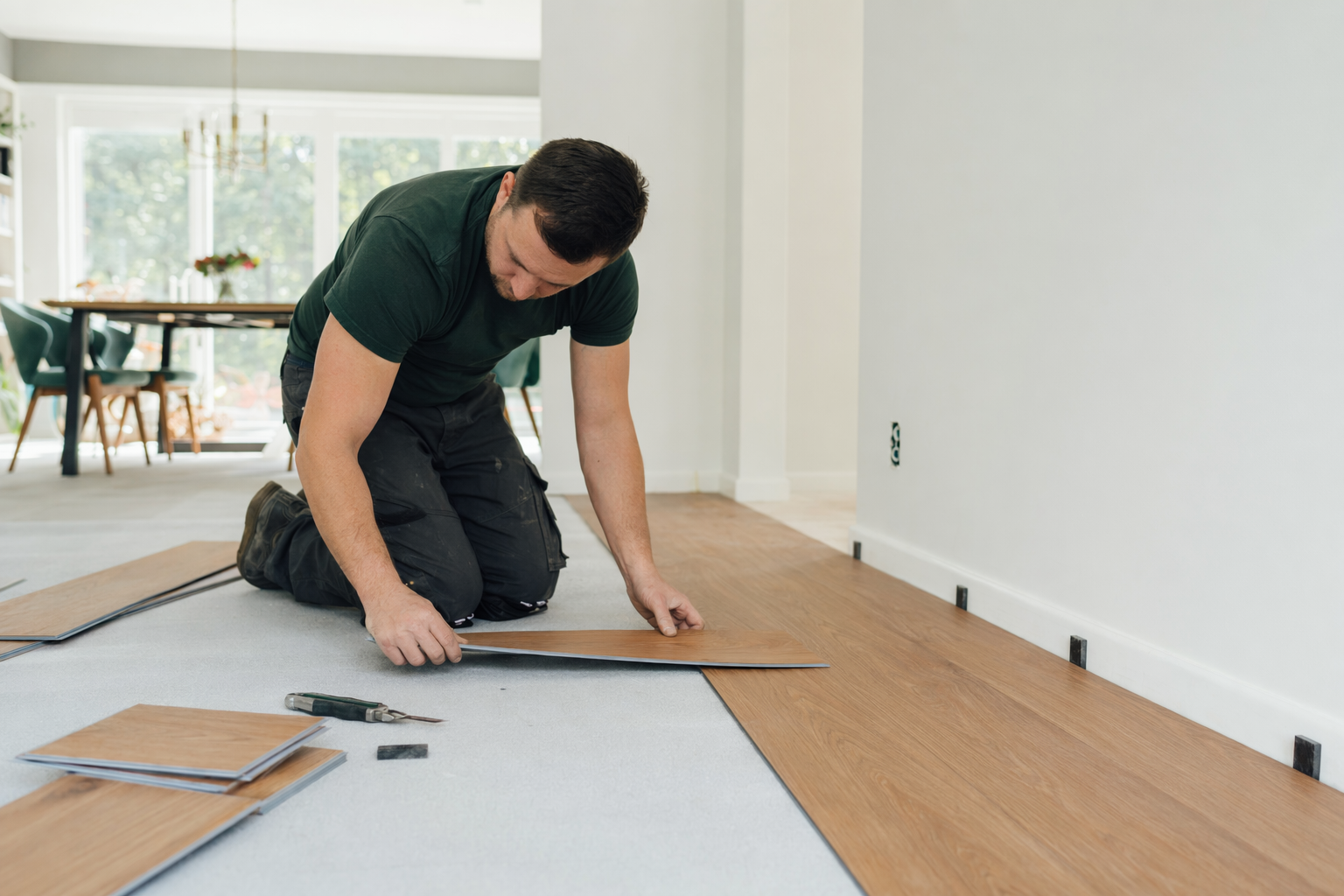
The best waterproof flooring is usually tile for wet rooms and LVP for most homes, but the right choice depends on your room, budget, and how much water the floor will really see.
The short answer: the best waterproof flooring depends on the room
If you want the most truly water-resistant option, porcelain tile is usually the safest bet. It handles spills, wet shoes, bathrooms, laundry rooms, and muddy entryways very well when it is installed correctly.
If you want something warmer and softer underfoot, luxury vinyl plank (LVP) is often the best all-around choice for families. It is popular because it looks like wood, is easier to live with than tile, and can handle everyday water better than many traditional floors.
If your goal is a wood look in a dry area, some engineered wood products can do fine with light moisture, but they are not the same as a truly waterproof floor. Solid hardwood is usually the least suitable if water is a real concern.
What “waterproof” really means in flooring
In flooring ads, “waterproof” can mean very different things. Some floors are waterproof on the surface but can still be damaged if water gets under the boards or sits there too long. Others are water-resistant, which means they can handle spills better but are not meant for standing water.
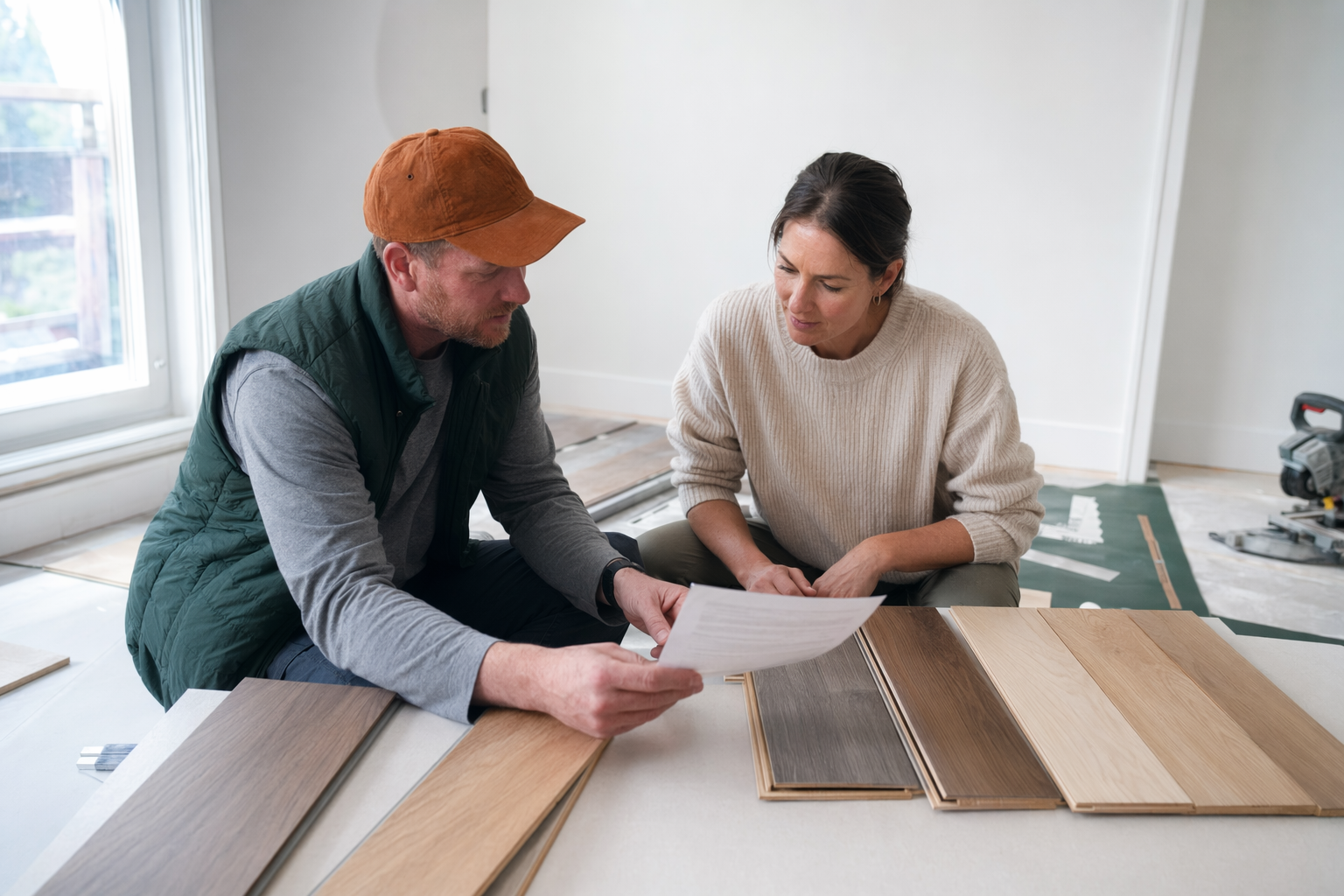
That is why it helps to ask a contractor exactly what part is waterproof, how the seams are handled, and what happens if a leak reaches the subfloor. A good contractor should explain the limits in plain language, not just use marketing words.
If you are comparing products, get the product name, wear layer or tile rating, installation method, and warranty in writing before you decide.
Best waterproof flooring options, honestly
Porcelain tile is the most durable option for wet areas. It is a strong choice for bathrooms, laundry rooms, kitchens, mudrooms, and basements that are truly dry at the slab level. The trade-off is that tile is harder and colder than other floors, and installation can cost more.
Luxury vinyl plank is usually the easiest waterproof-style floor for most homes. It is more comfortable than tile, often quieter, and comes in many looks. It is a strong fit for kitchens, basements, playrooms, and busy family areas, but quality varies a lot, so a cheap product may dent, scratch, or feel flimsy.
Waterproof laminate exists too, but it varies widely by brand. It can look great and cost less than tile or premium vinyl, but it usually does not like long-term moisture as much as tile. For real-life use, check whether the product is rated for spills, pet accidents, or wet mopping, and how long that protection lasts.
What it costs and what changes the price
For installed flooring, these are common rough ranges in the U.S. — not quotes: luxury vinyl plank often runs about $4 to $12 per square foot installed, waterproof laminate about $5 to $11, and porcelain tile about $10 to $25 or more depending on the tile and labor. Costs can be lower or higher based on your region, room shape, and the condition of the subfloor.
The price goes up when the room has lots of cuts, stairs, uneven subfloor, moisture problems, removal of old flooring, or a high-end product. It can go down in large, simple rooms with easy access and a straightforward installation.
If you want help comparing real local options, use get matched to share your project details and ZIP code. PlankPath is a free matching service, not a flooring contractor or store, and we do not do the work ourselves.
How to avoid a bad flooring job
Watch out for vague pricing, huge upfront cash deposits, pressure to sign on the spot, cash-only requests, and anyone who will not show a license or insurance. Another red flag is a contractor who talks about the pretty surface but skips questions about the subfloor, moisture, or prep work.
Always ask for the price, material, and scope in writing before you agree to anything. Compare more than one quote, and make sure each quote includes the same basic work so you can compare fairly.
For more practical help, see help, browse guides, or check costs. The homeowner stays in control: you compare written quotes, choose who to hire, and confirm the work is done right before paying the final amount.
When to choose each type
Choose tile if your top priority is moisture protection and long life, especially in bathrooms, laundry rooms, and entryways. Choose LVP if you want a water-friendly floor that feels softer, is often easier to install, and works well in many living areas.
Choose waterproof laminate only if you like its look and price, and you have a contractor who can explain its moisture limits clearly. Be more cautious with engineered wood in wet-prone rooms, and avoid solid hardwood where spills, pet accidents, or humidity are constant problems.
If you are unsure, a licensed, insured flooring contractor can look at your room, subfloor, and climate and tell you what makes sense for your home. We can help connect you with local pros at no cost to you.