What is the most durable flooring?
The most durable flooring depends on your room, pets-kids traffic, and moisture risks. In most homes, luxury vinyl plank (LVP) and quality engineered wood are top “live-with-it” choices—if installed correctly.
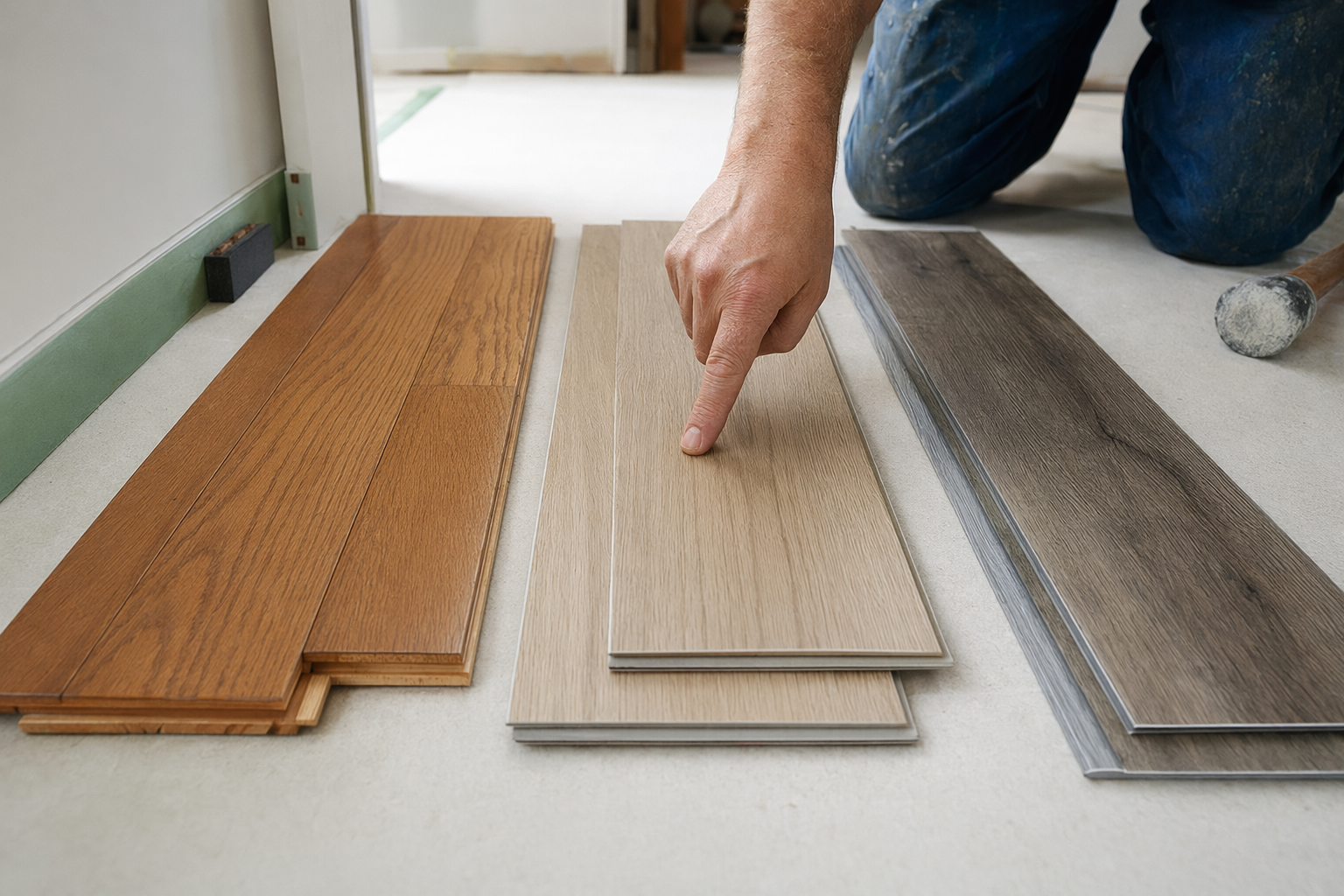
Most durable flooring is usually LVP or tile for daily messes, and engineered wood can be very durable in dry areas—whichever you choose, make sure the subfloor prep and installation are done right and get written quotes.
Quick answer: what’s usually the most durable?
If you want something that’s durable for everyday life (scuffs, spills, and busy households), luxury vinyl plank (LVP) is often the safest all-around pick. It’s water-resistant, handles minor messes better than many real-wood options, and usually stays looking good with normal cleaning.
If you prefer natural wood, a quality engineered wood floor can be very durable—especially with the right wear layer and finish. It’s not as forgiving with flooding, standing water, or heavy moisture, but it can wear beautifully in the right conditions.
For very wet areas (like a bathroom floor that can see regular splashes), tile (ceramic/porcelain) is extremely durable. The main trade-off is comfort—tile can feel hard and cold underfoot, and installation can be more complex.
Durability in plain terms: what usually wears flooring down
Most flooring problems aren’t just “the material”—they’re wear + moisture + installation details. The biggest durability risks are scratches from grit (shoes, pet nails), dents from dropped objects, and moisture that seeps into seams or the subfloor.
So the “most durable” option is the one that matches your household and your room. A floor that’s great in a dry living room may fail sooner in a humid basement or near frequent spills.
A good rule: durability is not only about hardness. It’s also about how the top layer handles everyday damage and how well the product is installed and sealed where needed.
Best durability options (and real trade-offs)
Luxury Vinyl Plank (LVP): Often very durable for daily life. Look for thicker planks and a good wear layer (the top protective layer). LVP typically resists scuffs and is more forgiving with minor spills than many hard surfaces. Trade-off: it can dent if something heavy is dragged or dropped, and heat can sometimes affect it.
Engineered Wood: Can be extremely durable when you choose the right wear layer and finish. It can take regular foot traffic well and can look closer to hardwood. Trade-off: it generally doesn’t like standing water, and high moisture or frequent spills can shorten its lifespan.
Tile (porcelain/ceramic): Among the most durable. It resists water and wear, and it’s hard to damage with impact. Trade-off: grout can stain over time, and tile is harder to install well; also it’s less comfortable than softer floors.
Carpet (high-quality with proper padding): Not the “hardest” in terms of scratches, but it can be the most durable for comfort if you keep it maintained and choose the right pile and padding. Trade-off: spills can stain, and deep cleaning matters—especially in homes with pets or kids.
Room-by-room: where durability matters most
High-traffic areas (living rooms, hallways, entryways): LVP, engineered wood with a strong wear layer, and tile are common durability winners. If you get tracked-in dirt, use doormats and wipe grit off—scratches often come from sand, not the floor.
Kitchens: LVP and tile often hold up well because they tolerate everyday spills better. Engineered wood can work, but it usually needs quick cleanup and good fit to reduce moisture exposure at seams.
Bathrooms and laundry: Tile is usually the most dependable for water exposure. Some LVP products are water-resistant, but “resistant” is not the same as “flood-proof,” and installation details matter a lot.
Basements and humid climates: Dryness is the key. Even the most durable surface can fail if moisture is high. Ask contractors about moisture testing and product suitability for your specific region.
What it costs (typical installed ranges) and what changes the price
Durable flooring usually costs more than basic options, but you can still find good value. Costs vary by region, room conditions, flooring quality, and how hard the subfloor is to work with.
Typical installed ranges you’ll see in many US markets (material + labor, not a quote):
- LVP (mid-grade): about $3–$7 per sq. ft.
- LVP (higher-end / thicker wear layer): about $6–$12 per sq. ft.
- Engineered wood: about $4–$10 per sq. ft.
- Tile (porcelain/ceramic): about $7–$18 per sq. ft.
- Carpet (durable styles + good padding): about $3–$8 per sq. ft.
Price drivers that often push totals higher:
- Subfloor prep (flattening, repairing, moisture issues)
- Removing and disposing of old flooring
- Stair work or transitions to other rooms
- Complex layouts (many cuts, closets, corners)
- Underlayment requirements (especially for LVP/wood)
- Better warranty tiers and higher-wear layers
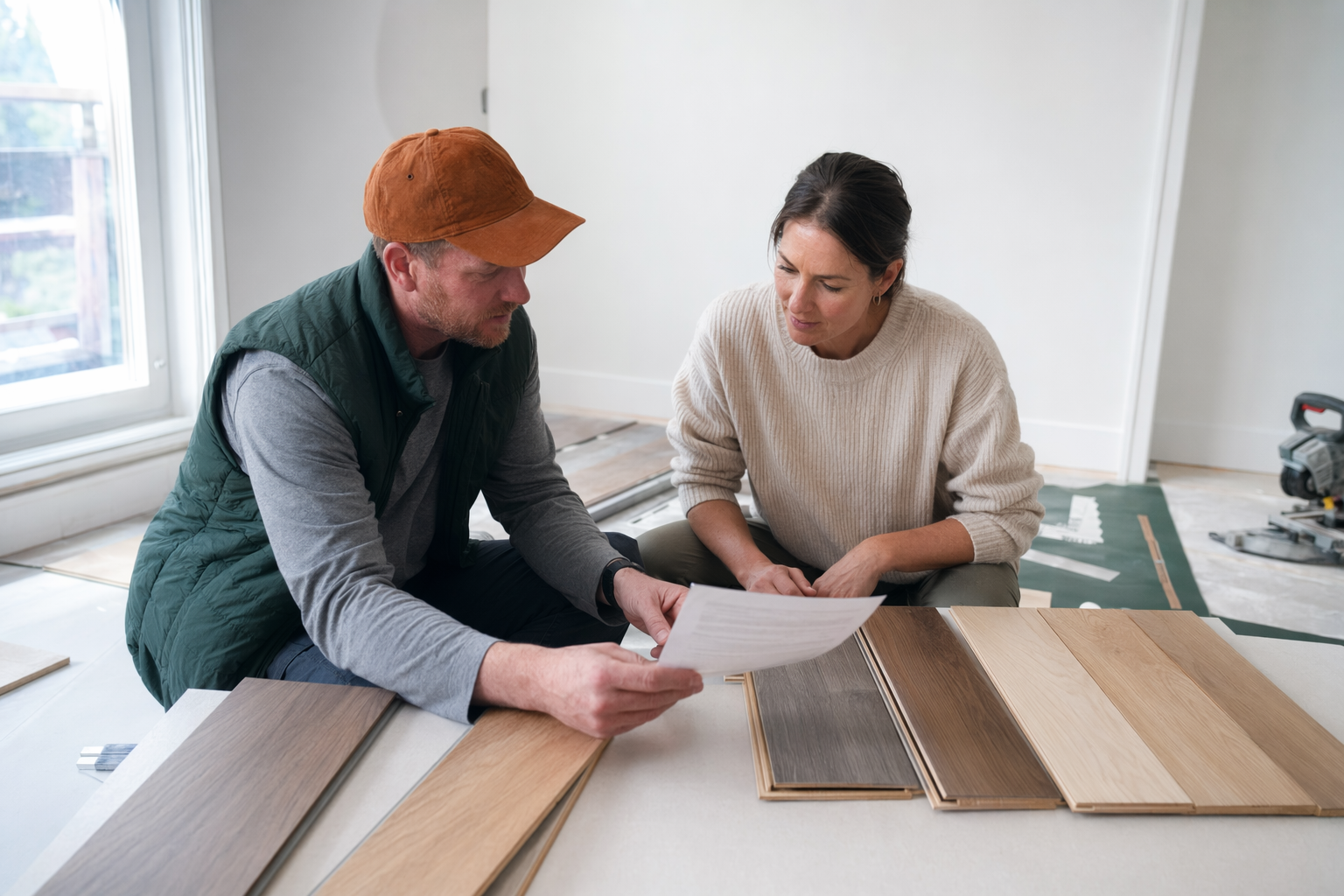
If you want real numbers, get at least 2–3 written quotes. Be sure each quote includes the same scope (materials, underlayment, prep, transitions, and the total square footage plan).
How to avoid overpaying (durability starts with the install)
Even “durable” flooring can fail early if it’s installed poorly. Before you hire, ask how the contractor handles subfloor condition, leveling, and proper underlayment (if required). Also confirm the warranty requirements—some warranties can be voided by incorrect installation.
Red flags to watch for:
- No license or no proof of insurance (you want a licensed, insured contractor)
- Vague pricing with big surprises later
- Huge upfront cash deposits or cash-only requests
- Pressure to sign on the spot
- Skipping subfloor prep or minimizing moisture concerns
- Verbal estimates only, with no written scope
What to do instead:
- Get the price, product, and scope in writing before work starts
- Compare more than one quote
- Confirm the final measurement plan (square footage) and exactly what’s included
- Ask what happens if the floor doesn’t fit, shifts, or shows gaps—who pays and how it’s corrected
PlankPath can’t install or sell flooring, but we can help you get matched at no cost with licensed, insured flooring contractors near you: start here with get matched.