Bamboo flooring explained
Bamboo flooring gives you a clean, wood-like look with a harder feel than many people expect. It can work well in the right rooms, but quality, moisture, and installation matter a lot.
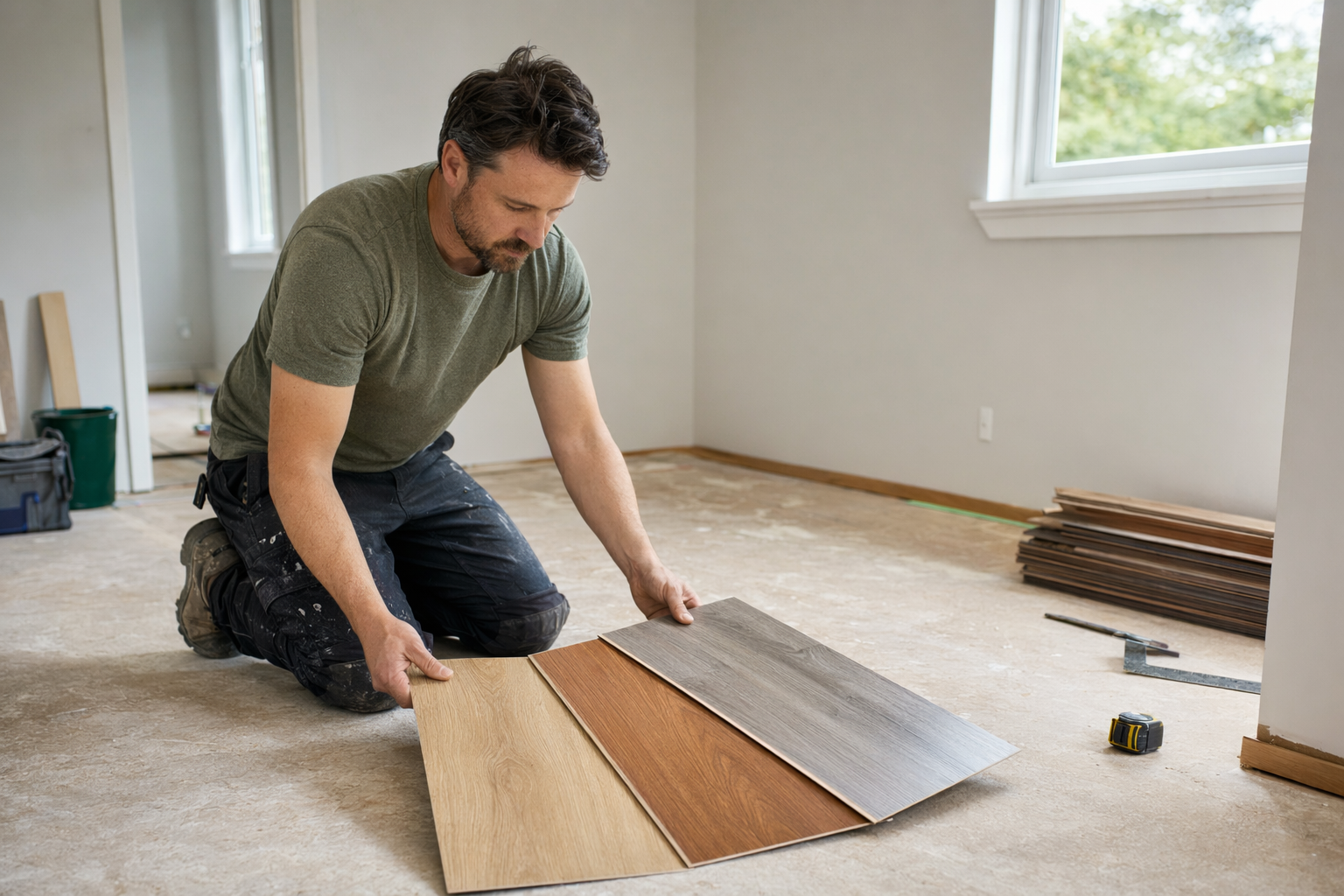
Bamboo flooring can look great and feel hard like wood, but it is only a smart buy if you choose a good product, use it in the right room, and hire a licensed installer who does the prep right.
What bamboo flooring is
Bamboo flooring is made from fast-growing bamboo grass that is cut, processed, and pressed into planks. Even though it looks similar to hardwood, it is not the same material. You will usually see solid bamboo, engineered bamboo, and strand-woven bamboo.
The look ranges from light natural tones to darker stained boards, with either a smooth modern style or more visible grain and variation. Underfoot, bamboo usually feels firm and more like wood than like laminate or vinyl.
One important detail: bamboo quality varies a lot. A well-made product can perform nicely for years, while a cheaper one may dent, scratch, gap, or react badly to moisture. That is why the exact product matters as much as the category.
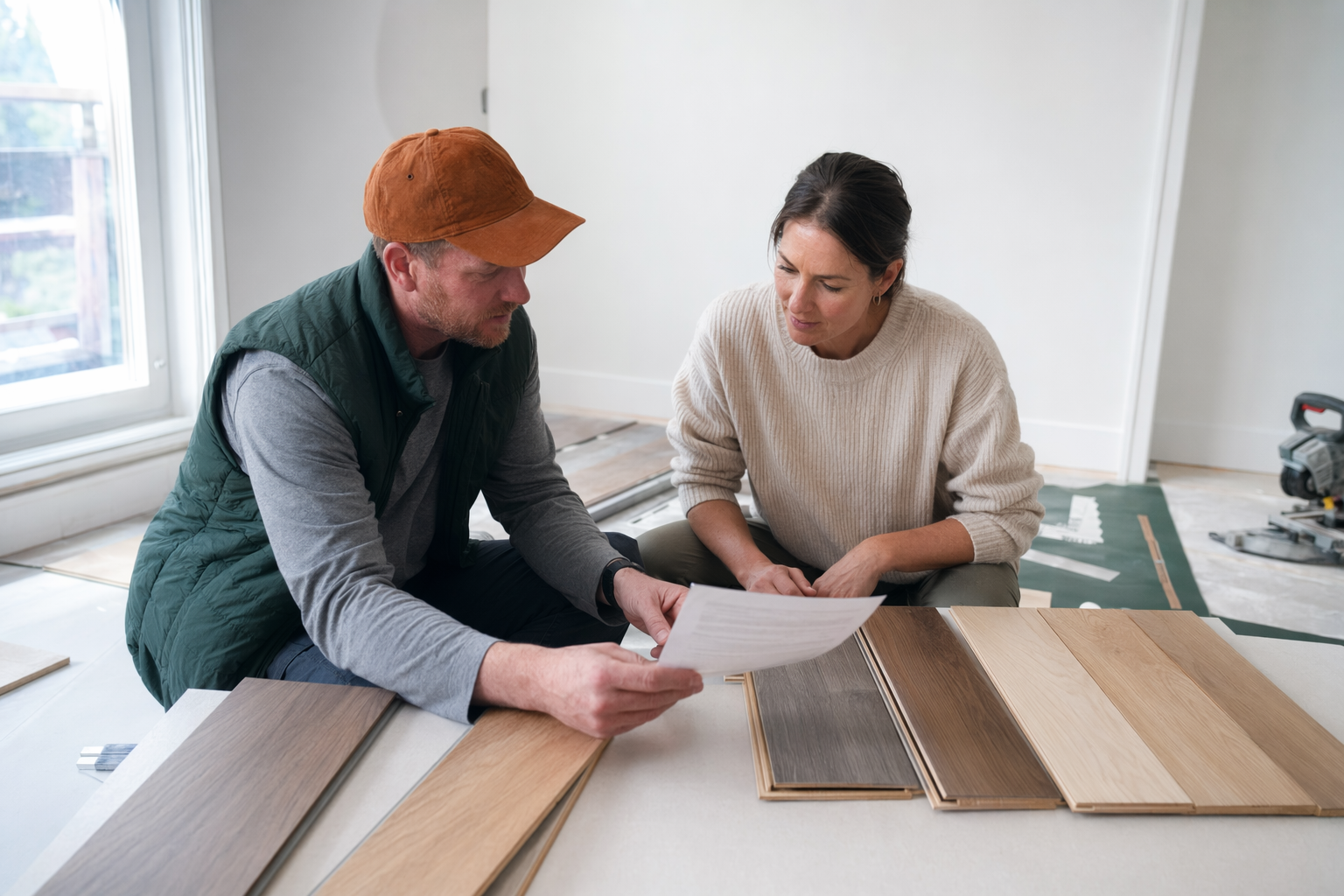
How it looks and feels in real life
If you like the look of hardwood but want something a little different, bamboo can be appealing. It often has a clean, straight-grain appearance that works well in modern, simple, and bright spaces. Some products look almost like oak or maple at a glance, while others have a more distinct bamboo pattern.
Bamboo tends to feel solid and fairly hard underfoot. It is not soft like carpet and does not have the cushioned feel of some luxury vinyl plank floors. In busy homes, that firm surface can feel durable, but it also means dropped items may chip and standing for long periods can feel tiring.
Color consistency can be a plus if you want a neat, uniform floor. But if you love the natural knots, grain, and character marks of traditional hardwood, some bamboo floors may feel a little more manufactured.
Durability, scratches, dents, and moisture
Bamboo has a mixed reputation because "bamboo flooring" covers products with very different strength levels. Strand-woven bamboo is usually much harder than basic horizontal or vertical bamboo. In a home with kids, pets, or heavy foot traffic, that difference matters.
That said, hard does not mean damage-proof. Bamboo can still scratch from grit, pet nails, moving furniture, and everyday wear. Some darker finishes show scratches and dust more easily. Lower-quality planks may also be more likely to dent or wear unevenly.
Moisture is the biggest caution. Bamboo handles normal indoor humidity better than some people expect, but it is not a great choice for standing water, repeated soaking, or very damp conditions. Spills should be cleaned up quickly. In humid or very dry climates, expansion and shrinking can also be an issue if the product is poor quality or the install is rushed.
For that reason, bamboo is usually better for dry living spaces than for rooms with frequent water exposure. A licensed, insured flooring contractor can tell you whether the product you are considering makes sense for your subfloor, room, and local climate. Local codes and conditions matter.
Best rooms and rooms to think twice about
Bamboo is often a good fit for living rooms, bedrooms, dining rooms, home offices, and hallways. These are spaces where people want the warmth of a wood-look floor without using traditional hardwood. It can also work in some kitchens if spills are cleaned quickly and the installer addresses the subfloor and transitions properly.
Bathrooms, laundry rooms, mudrooms, and below-grade basements are more questionable. Those rooms usually bring more moisture risk, and bamboo is less forgiving than tile or some waterproof-rated products. If you are mainly worried about wet shoes, pet accidents, or repeated splashes, it may be smart to compare bamboo against luxury vinyl plank and other flooring options.
If you have radiant heat, a concrete subfloor, or a space that gets very humid or very dry through the year, ask specific questions before buying. Product specifications vary, and the wrong match can lead to movement, cupping, or gaps.
Honest installed cost range
A common installed cost for bamboo flooring is about $6 to $13 per square foot for material and installation combined. Better-quality strand-woven products, more difficult layouts, stair work, trim replacement, floor prep, or old floor removal can push the price higher. Simple rooms with fewer cuts may come in lower.
These are general ranges, not quotes. The real number depends on the bamboo product itself, the room size, the region, the condition of the subfloor, moisture conditions, and whether the floor is nailed, glued, or floated. If leveling or moisture mitigation is needed, the total can change fast.
If you are budgeting, it helps to compare bamboo with other options on our flooring cost guides and read how to choose flooring. Written quotes should clearly separate material, labor, removal, trim, transitions, and any subfloor work.
Care, installation, and how to find the right contractor
Bamboo flooring is fairly simple to care for, but it does best with gentle habits. Sweep or vacuum regularly with a hard-floor setting, wipe spills quickly, use felt pads under furniture, and avoid soaking the floor with water. Use the cleaning products recommended for that floor type, because harsh cleaners and too much moisture can dull or damage the finish.
Installation quality matters a lot with bamboo. A contractor should check the subfloor, room conditions, and product requirements before starting. One common problem in flooring jobs is skipping subfloor prep. That can lead to noise, movement, uneven wear, or planks that separate later.
When you compare installers, ask for license and insurance information, the exact product they recommend, the installation method, what prep is included, and what happens if they find subfloor issues. Get the scope, materials, and total price in writing. Be careful with vague pricing, cash-only deals, large upfront cash deposits, pressure to sign right away, or anyone who cannot show they are licensed and insured.
PlankPath is a free matching service, not a flooring contractor, installer, or store. We do not perform flooring work or sell materials. If you want help finding licensed, insured flooring contractors near you, you can get matched for free by sharing basic contact and project details like your name, phone, optional email, ZIP code, approximate square footage, material interest, project type, and preferred language.