Natural stone flooring — marble, slate & travertine
Natural stone flooring has a real, high-end look that other materials try to copy, but it also costs more and needs the right care. Here’s the practical side of marble, slate, and travertine before you spend the money.
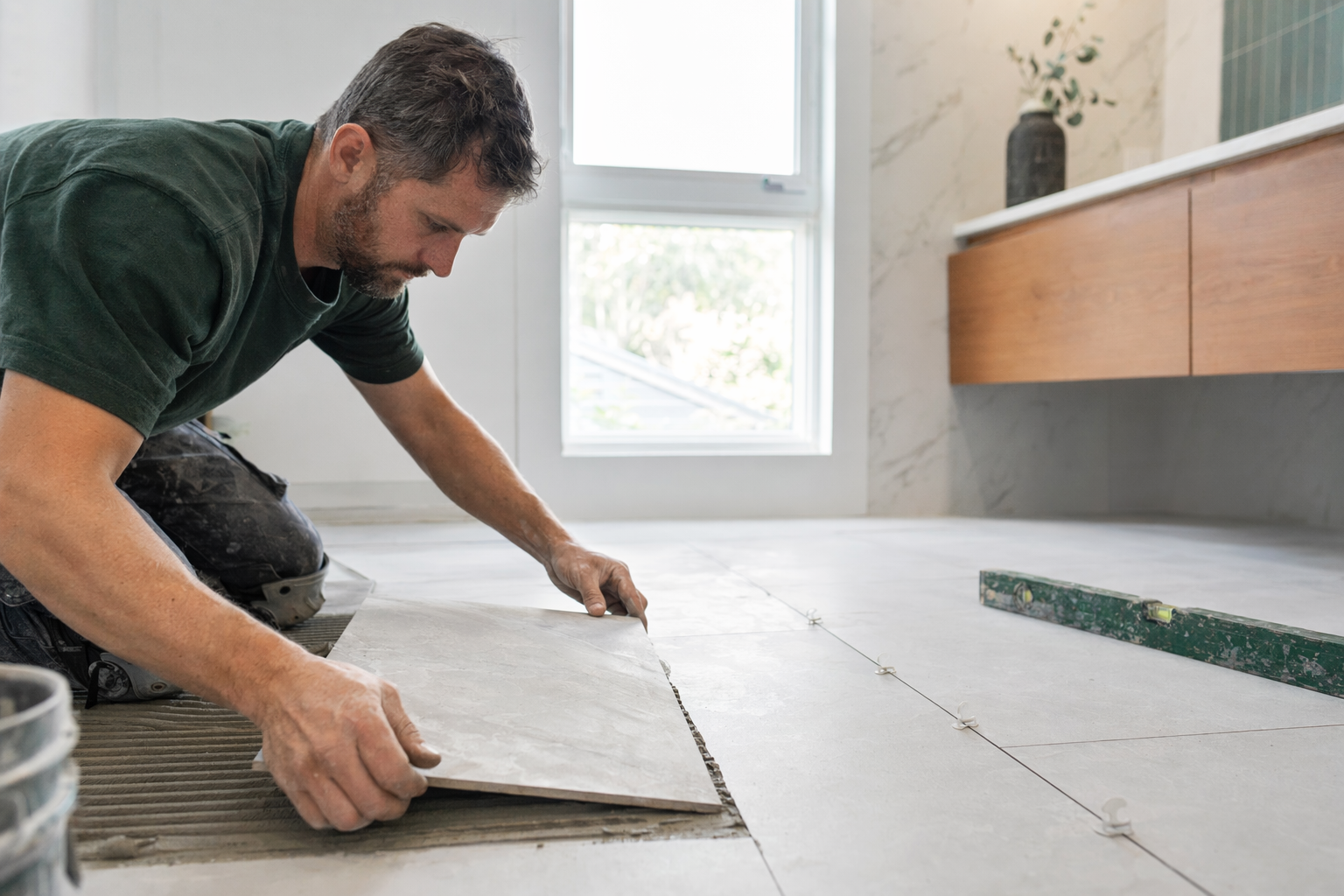
Natural stone flooring is beautiful and durable, but it costs more, often needs sealing, and is worth hiring an experienced licensed contractor to install correctly.
What natural stone flooring is
Natural stone flooring is cut from real stone, then finished into tiles or pieces for floors. Common choices include marble, slate, and travertine. Each piece is a little different in color, veining, texture, and movement, which is a big part of the appeal.
Stone usually feels solid, cool, and substantial underfoot. It can make a room feel expensive and custom, especially in entryways, kitchens, bathrooms, and large open spaces. It also tends to add weight and complexity to the job, so installation matters a lot.
The trade-off is simple: stone is beautiful and long-lasting, but it is not low-effort. Some types scratch or etch more easily, many need sealing, grout needs care, and a poor install can lead to cracked tile or uneven edges. That is why most homeowners hire a licensed, insured flooring contractor with real stone experience.

Marble, slate, and travertine: how they look and feel
Marble is known for its smooth surface and dramatic veining. It can look formal, bright, and luxurious. Polished marble reflects light and feels elegant, but it can also show scratches, dull spots, and acid etching from things like lemon juice or some cleaners. Honed marble has a softer, less shiny look and can hide wear a bit better.
Slate usually has a more natural, textured look. Colors often include charcoal, rust, green, brown, and gray. It feels more earthy and less formal than marble. Because many slate tiles have texture, they can offer better slip resistance than polished stone, which is one reason people like it in mudrooms, entries, and some bathrooms.
Travertine has a warm, old-world look with natural holes and movement in the stone. It comes in both filled and unfilled finishes, and in polished, honed, brushed, or tumbled styles. Tumbled and brushed travertine tend to feel softer and more relaxed, while polished finishes look more refined. Like marble, travertine is softer than many ceramic or porcelain tiles, so it can wear if used in the wrong place or not maintained.
Durability, wear, and water: the honest trade-offs
Natural stone can last for decades, but durability depends on the stone type, finish, room use, and how well the floor was installed over a suitable subfloor. In general, stone handles foot traffic well, but it is hard underfoot and can chip if something heavy drops on it. Some stones are also more porous than homeowners expect.
Marble is one of the more delicate natural stones for active households. It can scratch, stain, and etch, especially in kitchens where spills happen. Travertine is also porous and can stain if not sealed and maintained. Slate is often one of the more forgiving stone options, though quality varies, and some slate can flake or chip.
Stone is not the same as waterproof. It handles moisture differently than wood or laminate, but many natural stones and grout lines can absorb water and stains if not sealed properly. Bathrooms, laundry areas, and entries can work well with stone, but only when the material, grout, sealer, and installation are appropriate for the space. Local climate matters too. In some regions, freeze-thaw conditions or constantly wet conditions can affect what performs best.
If you want a floor that shrugs off spills with very little maintenance, stone may not be your best fit. If you want a real natural material and accept some upkeep, it can be a great long-term choice.
Best rooms, worst rooms, and daily care
Natural stone often works best in entryways, bathrooms, kitchens, hallways, and some living areas where homeowners want a premium look and a cool surface. In warm climates, that cool feel can be a real plus. Stone can also pair well with radiant floor heating, but the right setup depends on the product, installation method, and local code, so ask a licensed contractor what fits your home.
Stone is often less comfortable in bedrooms, playrooms, and spaces where people stand barefoot for long periods unless you use rugs. It may also be a poor fit for homes where slips are a concern, especially with polished finishes in wet areas. Some natural stones can be risky in very busy kitchens if you want a floor that hides mess and resists stains without regular sealing.
Care is straightforward, but it is not zero-maintenance. Use cleaners labeled safe for natural stone, wipe up spills quickly, and avoid harsh acidic products unless the manufacturer specifically says otherwise. Many stone floors need periodic sealing, and grout may need attention too. A contractor or stone supplier can tell you the care needs for the exact stone and finish you choose.
If you are still comparing options, our flooring materials hub and guide to choosing flooring can help you weigh stone against tile, hardwood, laminate, and luxury vinyl.
What natural stone flooring really costs
Installed natural stone flooring usually falls around $10 to $30+ per square foot for many projects, counting material and installation together. Higher-end marble, premium cuts, custom layouts, difficult rooms, or extensive prep can push costs well above that. These are general ranges, not quotes.
A simpler slate job in an easy room may land closer to the lower end. Marble often runs higher because the material costs more and installation can require more care. Travertine varies widely by grade, finish, and tile size. Patterns, borders, mosaics, stairs, demolition, old-floor removal, underlayment, crack isolation products, and subfloor correction can all raise the total.
The real price depends on the stone you choose, the room, your region, the size of the job, and especially the condition of the subfloor. Stone usually needs a flat, stable base. If a contractor skips subfloor prep to make the number look cheap, that can become an expensive problem later.
For a broader price comparison, see our flooring cost guides. Always get the material, layout, prep work, grout, trim, and cleanup in writing so you can compare quotes fairly.
How to hire the right stone-flooring contractor
Natural stone is not a material where you want the cheapest vague bid. Ask whether the contractor is licensed and insured where required, how much experience they have with marble, slate, or travertine specifically, and what prep they expect for your subfloor. Ask who handles removal, leveling, sealing, grout, trim, and cleanup. Get all of that in writing before you sign anything.
Watch for common flooring red flags: vague pricing, huge upfront cash deposits, cash-only deals, pressure to sign right away, no proof of license or insurance, and a plan that barely mentions the subfloor. Stone is heavy and unforgiving. If the prep is wrong, the finished floor can crack, shift, or look uneven.
PlankPath is a free matching service, not a flooring contractor, installer, or store. We do not perform flooring work or sell materials. We can help you get matched with licensed, insured flooring contractors near you so you can compare written quotes and choose who to hire.
To get matched, share basic project details only: your name, phone, optional email, project type, material interest, ZIP code, approximate square footage, and preferred language. Start here: get matched. The service is always free for the homeowner.