Polished concrete floors explained
Polished concrete gives a clean, modern look and can last a very long time, but it is not the right fit for every home or every slab. Here’s what it feels like to live with, what it usually costs, and when to hire a licensed flooring contractor.
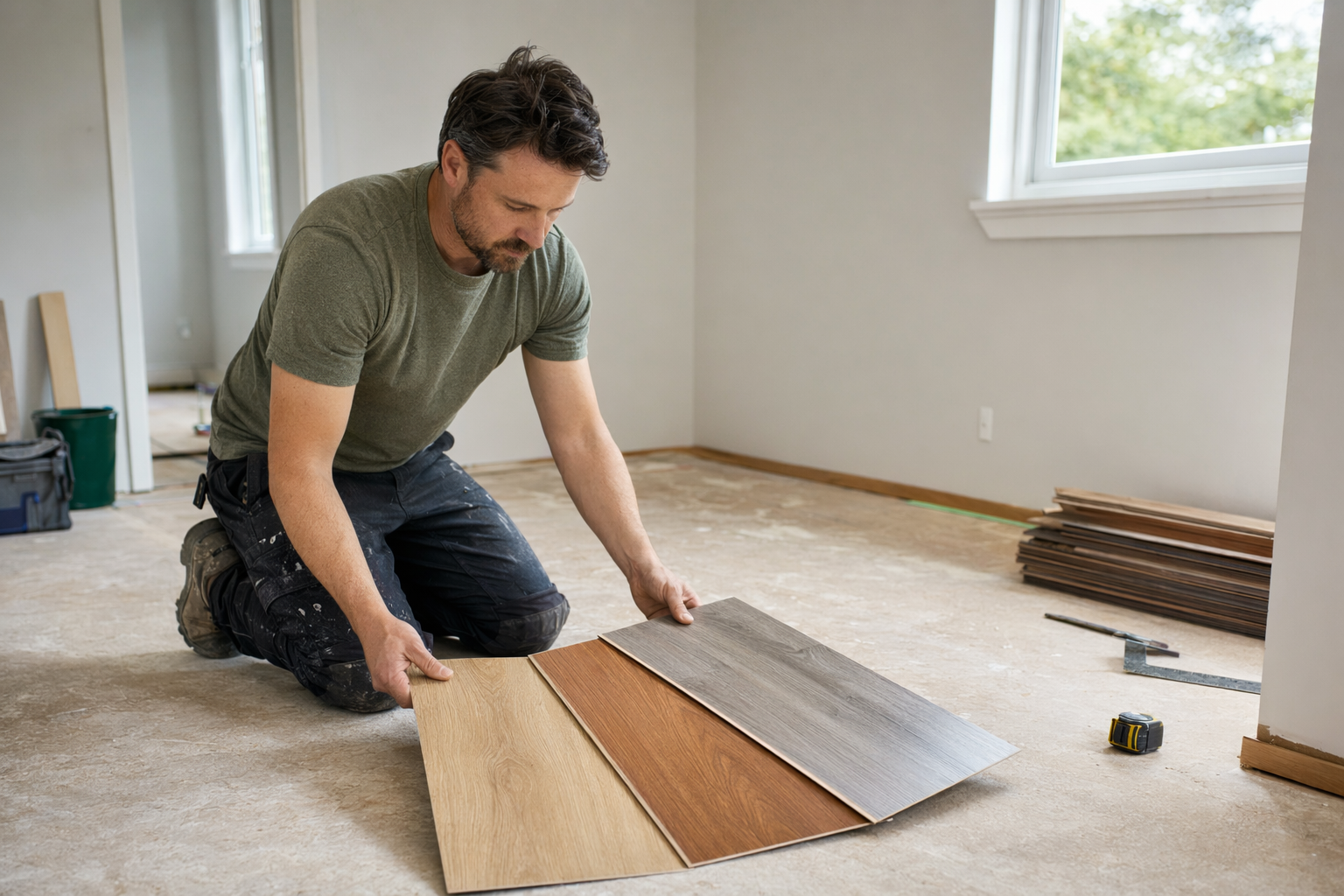
Polished concrete can be a durable, modern floor if your slab is a good candidate, but the prep work matters a lot and the real cost depends heavily on the condition of the concrete.
What polished concrete flooring is
Polished concrete is usually an existing concrete slab that is ground smooth with heavy machines, then refined with finer polishing steps until it has a matte, satin, or glossy finish. In some homes, the slab is already there under old flooring. In others, a new slab may be poured first, but that is a bigger construction decision and should be reviewed by licensed local professionals.
It is different from painted concrete, epoxy coating, or concrete-look tile. A true polished concrete floor is the concrete itself, improved by grinding, densifying, and polishing. Some floors also get stain, dye, or saw-cut lines for a different look.
People usually choose polished concrete because they want a simple, modern floor with very few seams, low day-to-day maintenance, and strong wear resistance. If you are comparing options, our materials hub can help you see how it stacks up against wood, tile, laminate, and luxury vinyl plank.
How it looks and feels in real life
The look is clean, minimal, and a little industrial, but it does not have to feel cold or commercial. The finish can be more natural and soft-looking, or more reflective and sleek. Some polished concrete shows small stones and aggregate; some looks more uniform. Color variation, hairline marks, patching, and old slab character are common, especially in older homes.
Underfoot, polished concrete feels firm and hard. That can be a plus if you want a solid surface that does not dent easily, but it is less forgiving than wood, vinyl, or carpet if you stand for long periods. It also tends to feel cooler than many other floors, which some homeowners like in warm climates and some do not in colder regions.
Area rugs can soften the room, reduce echo, and make living spaces feel warmer. If comfort matters a lot in bedrooms, playrooms, or places where you stand for long stretches, polished concrete may feel less cozy than other flooring choices.
Durability, moisture, and where it works best
A well-prepared polished concrete floor can be very durable. It handles foot traffic well, does not scratch the way softer wood can, and does not have grout lines like tile. That said, durability depends heavily on the condition of the slab and the quality of the prep work. Cracks, uneven areas, moisture issues, old adhesive residue, and weak concrete can all affect the final result.
Polished concrete handles normal moisture better than many wood-based floors, which is one reason it is common in basements, slab-on-grade homes, mudrooms, and open-plan living areas. But it is not a cure for a wet slab or ongoing water intrusion. If moisture is coming up through the concrete or the home has drainage problems, polishing alone will not fix that. A licensed flooring contractor should evaluate the slab before work begins.
Best-fit rooms often include basements, kitchens, living rooms, hallways, and modern open spaces. It can also work well in entry areas where dirt and traffic are common. It is usually a less comfortable choice for bedrooms if you want warmth underfoot, and it may be a poor fit where the slab is badly damaged or where you want a softer, quieter floor.
It is also worth remembering that concrete is hard if something falls on it. Dishes break more easily, and the floor can be tough on knees and feet. If anyone in the home is especially concerned about slips, impact, or standing comfort, ask contractors to explain finish options and realistic trade-offs.
Honest cost range for polished concrete
For many homeowners, polished concrete flooring typically lands around $6 to $15 per square foot installed for straightforward jobs. More custom work can run about $15 to $25+ per square foot installed. These are general ranges, not quotes.
Price moves up or down based on the condition of the slab, how much grinding is needed, whether old flooring or glue must be removed, the level of shine, whether you want stain or decorative scoring, how much crack repair is required, your region, and the size of the job. A large, open slab in decent shape is usually more cost-efficient per square foot than a small job with lots of edges and prep.
One surprise for homeowners is prep cost. If a contractor finds mastic, major patching, moisture problems, uneven sections, or heavy crack repair, the final number can change a lot. That is why written quotes matter. Ask for the prep work, finish level, and any optional staining or sealing to be listed clearly.
If you want to compare polished concrete with other surfaces, visit costs or how to choose flooring. The right choice is not just about the lowest price per square foot. It is also about comfort, maintenance, and whether the slab in your home is a good candidate.
Care, maintenance, and everyday living
Polished concrete is often called low-maintenance, and that is mostly true, but low-maintenance does not mean no-maintenance. Dust and grit should be swept or dry-mopped regularly so the surface does not get dulled over time. Use cleaners made for polished concrete or products your contractor recommends, and avoid harsh chemicals unless the manufacturer says they are safe.
Wipe spills reasonably soon, especially oils, acids, or strongly colored liquids. Depending on the finish and sealer used, some substances can stain or etch if left sitting. In busy homes, entry mats and felt pads under furniture help reduce wear and surface marks.
The floor may eventually need maintenance polishing or refreshing in high-traffic areas. The timeline depends on the finish, traffic, and care habits. Ask the contractor what routine care they recommend and what signs mean the floor needs professional attention.
How to find the right contractor for polished concrete
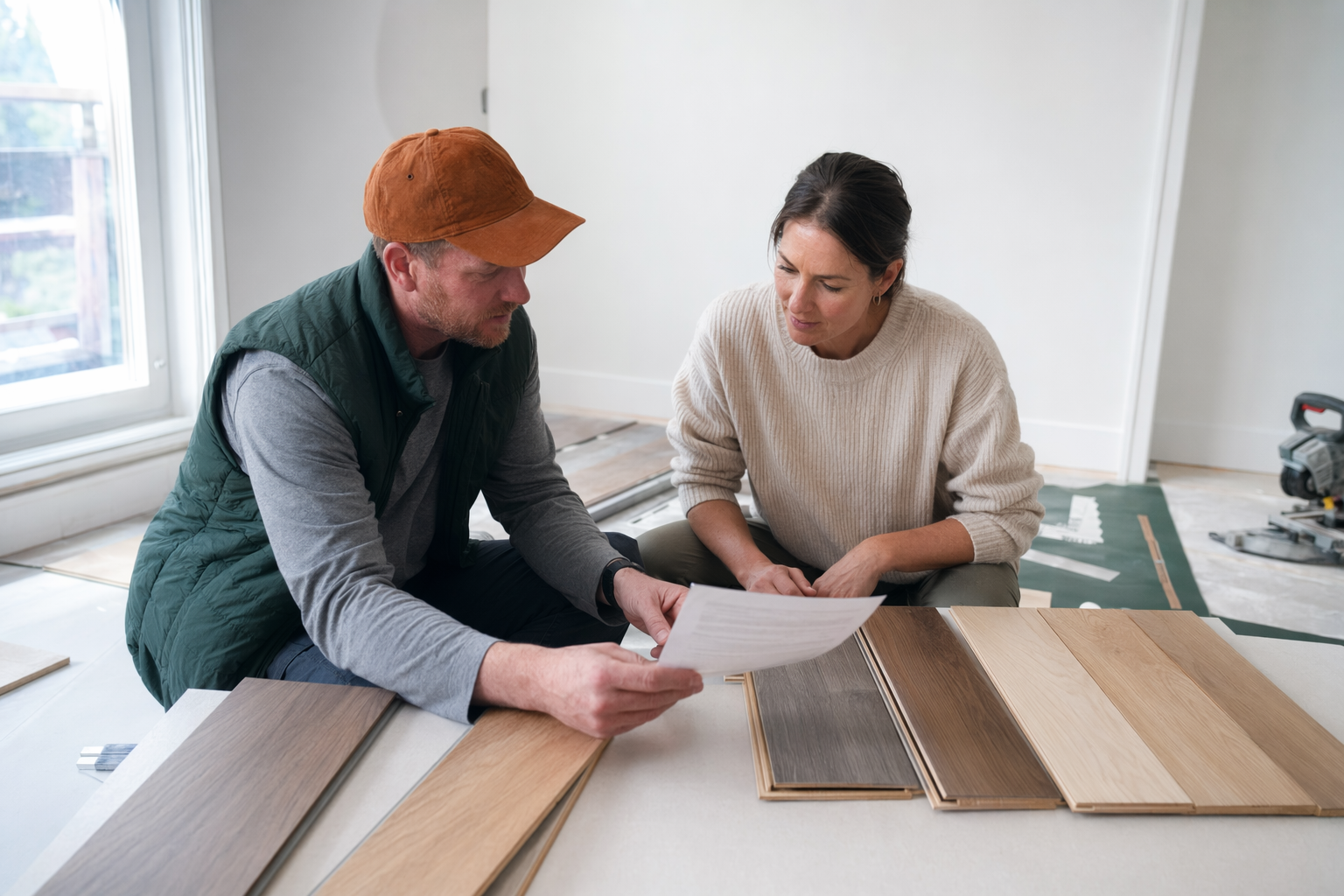
Polished concrete is very dependent on skill, equipment, and slab evaluation. This is not a place to hire the cheapest bid without questions. Ask whether the contractor has experience specifically with polished concrete, not just general flooring. They should be licensed and insured where required, and they should explain what they see in your slab before pricing the job.
Get more than one quote in writing. The quote should spell out surface prep, crack repair, adhesive removal if needed, the polish level, any stain or decorative work, cleanup, and what is excluded. Be cautious if someone gives vague pricing, pushes you to sign immediately, asks for a huge cash deposit, wants cash only, cannot show licensing or insurance, or skips talking about the slab condition.
PlankPath is a free matching service, not a flooring contractor or store. We do not perform flooring work or sell materials. If you want, you can get matched with licensed, insured flooring contractors near you. You stay in control: compare written quotes, ask questions, choose who to hire, and confirm the work is done right before paying the final amount.
To get matched, we only ask for basic contact and project details: your name, phone, optional email, project type, material interest, ZIP code, approximate square footage, and preferred language. That is always free for the homeowner.