Best flooring for a bedroom
Bedrooms usually feel best when the floor is quiet, comfortable, and easy to live with. Here’s a plain-English look at the best bedroom flooring choices, what to avoid, and realistic installed cost ranges.
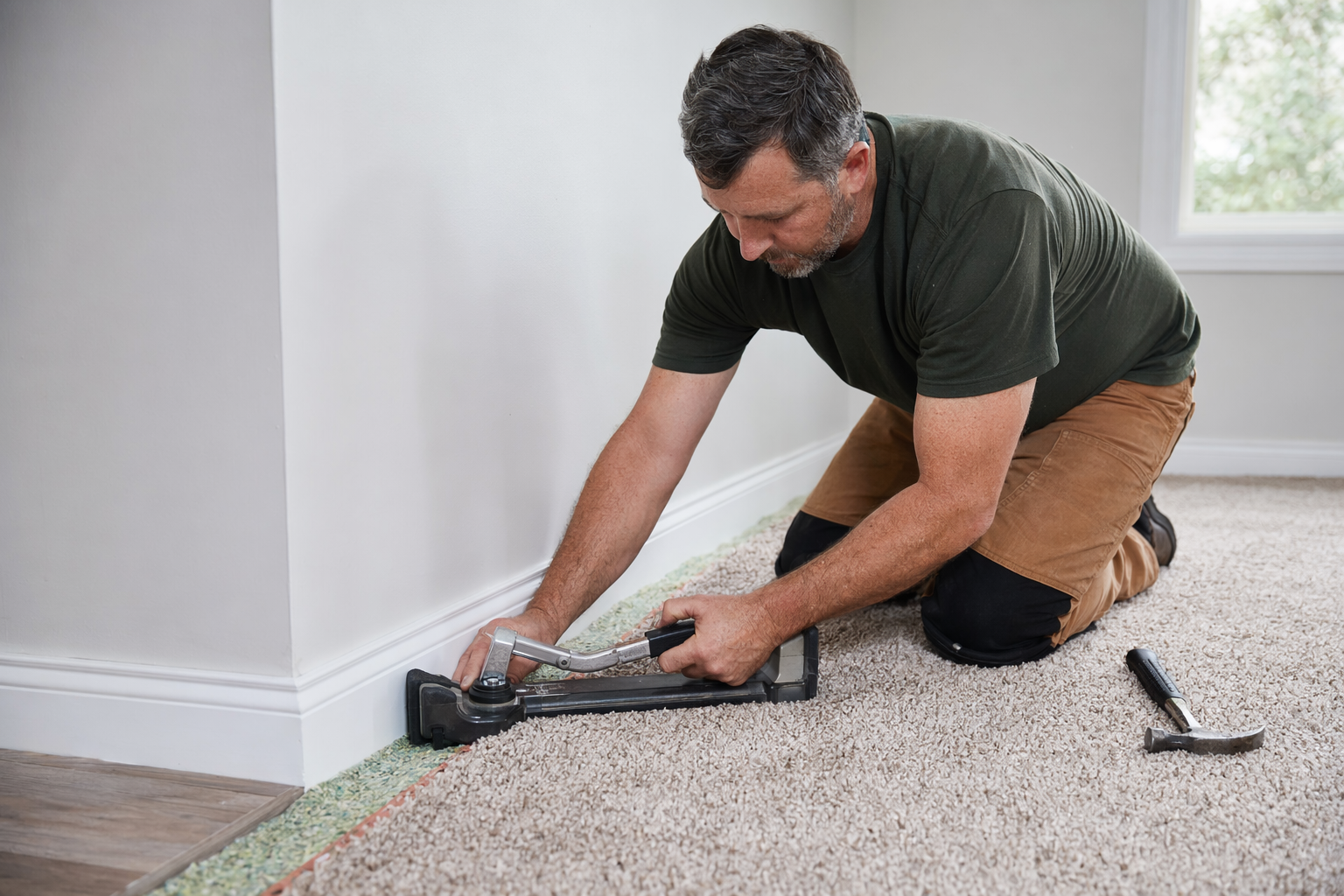
For most bedrooms, carpet is the softest and quietest choice, while hardwood, engineered wood, and vinyl plank are good if you want a cleaner hard surface—just compare written quotes and hire a licensed, insured contractor.
What matters most in a bedroom floor
Bedrooms are different from kitchens, bathrooms, and entryways. Most people want three things here: comfort underfoot, less noise, and a look that feels calm and warm. You usually do not need the same level of water resistance you would want in a bathroom, but you do want a floor that fits your daily life.
Think about how the room is used. A primary bedroom may need a quieter floor and a more finished look. A child’s room or guest room may need something easier to clean and less expensive to replace. If anyone in the home has allergies, that may push you toward a hard surface instead of wall-to-wall carpet.
Budget matters too. Installed flooring prices can vary a lot based on the material, the condition of the subfloor, your region, and the size of the job. The ranges below are general information only, not quotes. A licensed flooring contractor can tell you what makes sense for your room and subfloor.
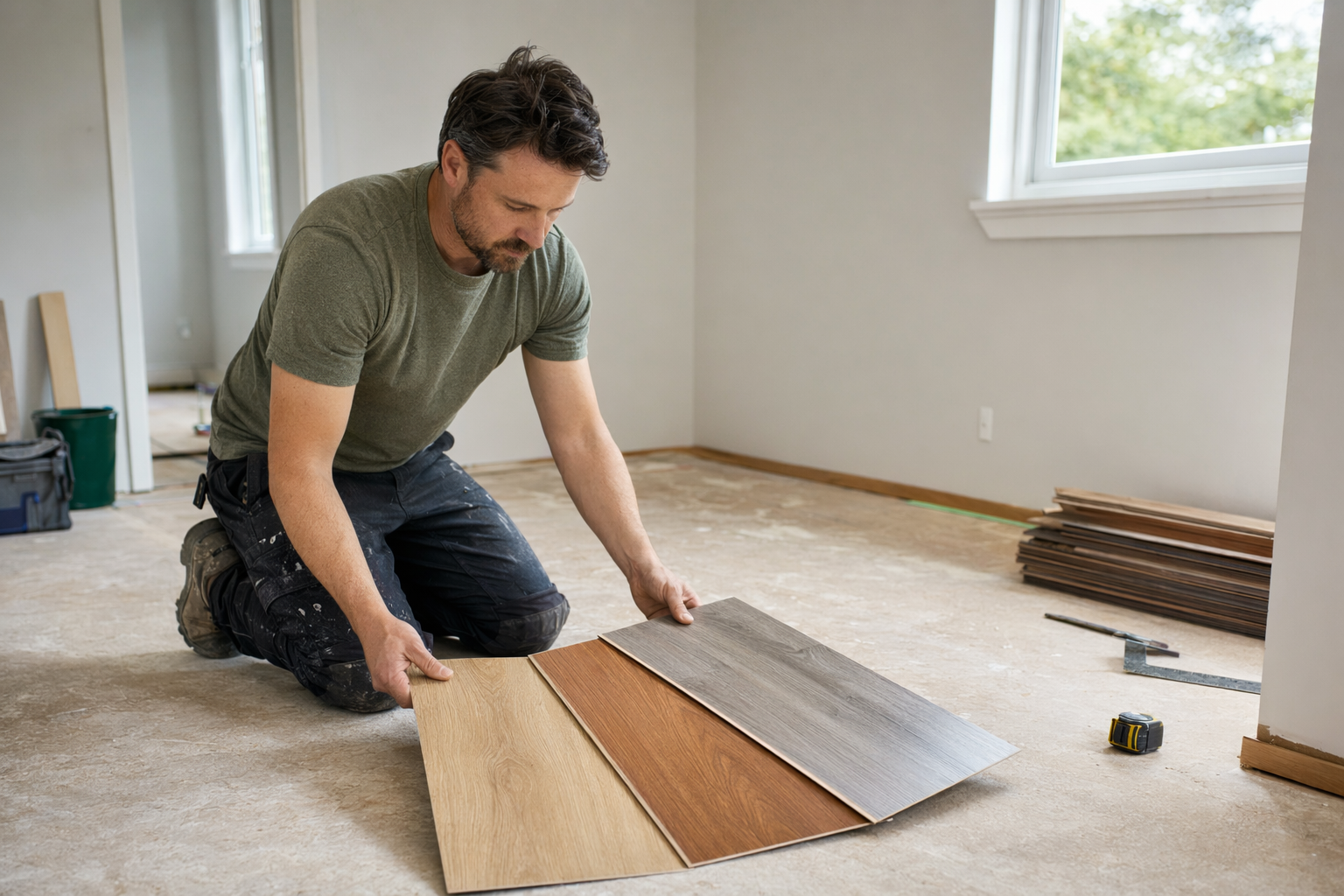
Best bedroom flooring options
Carpet is still one of the most common bedroom choices for a reason. It is warm, soft, and quiet. It also helps make a bedroom feel cozy first thing in the morning. Installed carpet often runs about $4 to $12 per square foot, depending on the fiber, pad, and room layout. The trade-off is that carpet can trap dust, show wear on paths, and stain more easily than hard flooring.
Hardwood is a classic bedroom floor if you want a clean look and long-term value. It feels solid, works with many home styles, and can last for decades when cared for properly. Installed hardwood often lands around $8 to $18+ per square foot. It is not the softest or quietest choice, but many homeowners add area rugs for comfort and sound control.
Engineered wood gives you a real wood surface with a layered core, so it can be a practical middle ground. It often costs about $7 to $15 per square foot installed. It looks more finished than many budget floors, and in some homes it handles small humidity swings better than solid hardwood. Not every product can be refinished the same way, so ask about wear layer and long-term repair options.
Luxury vinyl plank, often called LVP, is a popular choice for bedrooms when budget and easy cleaning matter. It is softer and quieter than tile, usually easier on the budget than wood, and available in many wood-look styles. Installed cost often falls around $4 to $10 per square foot. Quality varies a lot, though, and cheaper products can sound hollow or look less natural up close.
Laminate can also work well in bedrooms. It is usually budget-friendly, resists scratches fairly well, and comes in many wood-look designs. Installed laminate often costs about $4 to $9 per square foot. Some products feel harder underfoot than LVP or carpet, and noise can be an issue if the underlayment and subfloor are not handled well.
You can browse more general material pros and cons in our materials guide and compare room ideas in all room guides.
- Best for softness and quiet: carpet
- Best for a classic, higher-end look: hardwood
- Best balance of wood look and practicality: engineered wood
- Best budget-friendly hard surface: luxury vinyl plank or laminate
What to avoid, or at least think twice about
Tile is durable and easy to clean, but many people do not love it in a bedroom. It can feel cold, hard, and loud unless you live in a warm climate or plan to use large rugs. Installed tile often runs about $8 to $20+ per square foot, so it is not usually the first choice if comfort is the goal.
Very cheap hard flooring can also disappoint in a bedroom. Low-end laminate or vinyl may click loudly, feel thin, or show pattern repeats that look less natural. In a room where you walk barefoot and want quiet, the cheapest option is not always the best value.
If you are replacing old carpet with a hard surface, do not ignore the subfloor. Small dips, squeaks, moisture issues, or uneven areas can affect how the finished floor feels and sounds. Skipping subfloor prep is a common way bad jobs happen. This is general information only, but it is worth asking any contractor exactly what subfloor prep is included in writing.
Honest bedroom flooring cost ranges
A simple bedroom project may cost less per square foot than a small, complicated room with furniture moving, old flooring removal, stairs, trim work, or subfloor repair. Material and installation together often fall into these general ranges:
- Carpet: about $4 to $12 per square foot installed
- Laminate: about $4 to $9 per square foot installed
- Luxury vinyl plank: about $4 to $10 per square foot installed
- Engineered wood: about $7 to $15 per square foot installed
- Solid hardwood: about $8 to $18+ per square foot installed
- Tile: about $8 to $20+ per square foot installed
Those are not quotes. Real pricing depends on the product quality, the pad or underlayment, the subfloor condition, the region, the room size, and labor rates near you. Wide planks, premium finishes, custom patterns, floor leveling, and removal of old material can all raise the total. You can read more about pricing factors in our flooring cost guides.
- Small rooms can cost more per square foot
- Subfloor fixes can add a meaningful amount
- Furniture moving and disposal may be separate charges
How to choose the right bedroom floor for your home
If comfort and quiet come first, carpet is usually the easiest answer. If you want a cleaner look, easier sweeping, or less dust held in the floor, a hard surface like engineered wood, hardwood, LVP, or laminate may make more sense. If you want the look of wood but need to watch cost closely, LVP or laminate can be practical choices.
It helps to think about who uses the room. For kids, pets, and busy households, scratch resistance and easy cleanup may matter more than a luxury look. For a primary bedroom, many homeowners are willing to spend more for real wood or a better-quality carpet because the room is used every day.
Also think about the rest of the home. A bedroom floor does not need to match every room exactly, but a smooth transition in color, height, and style usually feels better than a sudden change. A good local flooring contractor can walk through these trade-offs with you based on your home, climate, and budget.
How PlankPath helps you get matched
PlankPath is a free matching service, not a flooring contractor, installer, or store. We do not perform flooring work or sell materials. We help you connect with licensed, insured flooring contractors near you so you can compare options for your bedroom project.
When you use get matched, we ask only for basic contact and project details: your name, phone, optional email, project type, material you are considering, ZIP code, approximate square footage, and preferred language. It is always free for the homeowner.
Before hiring anyone, ask for the material, scope of work, and pricing in writing. Compare more than one quote. Be careful with vague pricing, huge upfront cash deposits, cash-only demands, pressure to sign right away, no license, or anyone who wants to skip subfloor prep. You stay in control: compare written quotes, choose who to hire, and confirm the work is done right before paying the final amount.