Carpet installation and replacement
Carpet can make a room quieter, warmer, and more comfortable, but a good result depends a lot on the installation. Here’s what carpet replacement usually involves, what it often costs, and how to compare contractors without getting rushed.
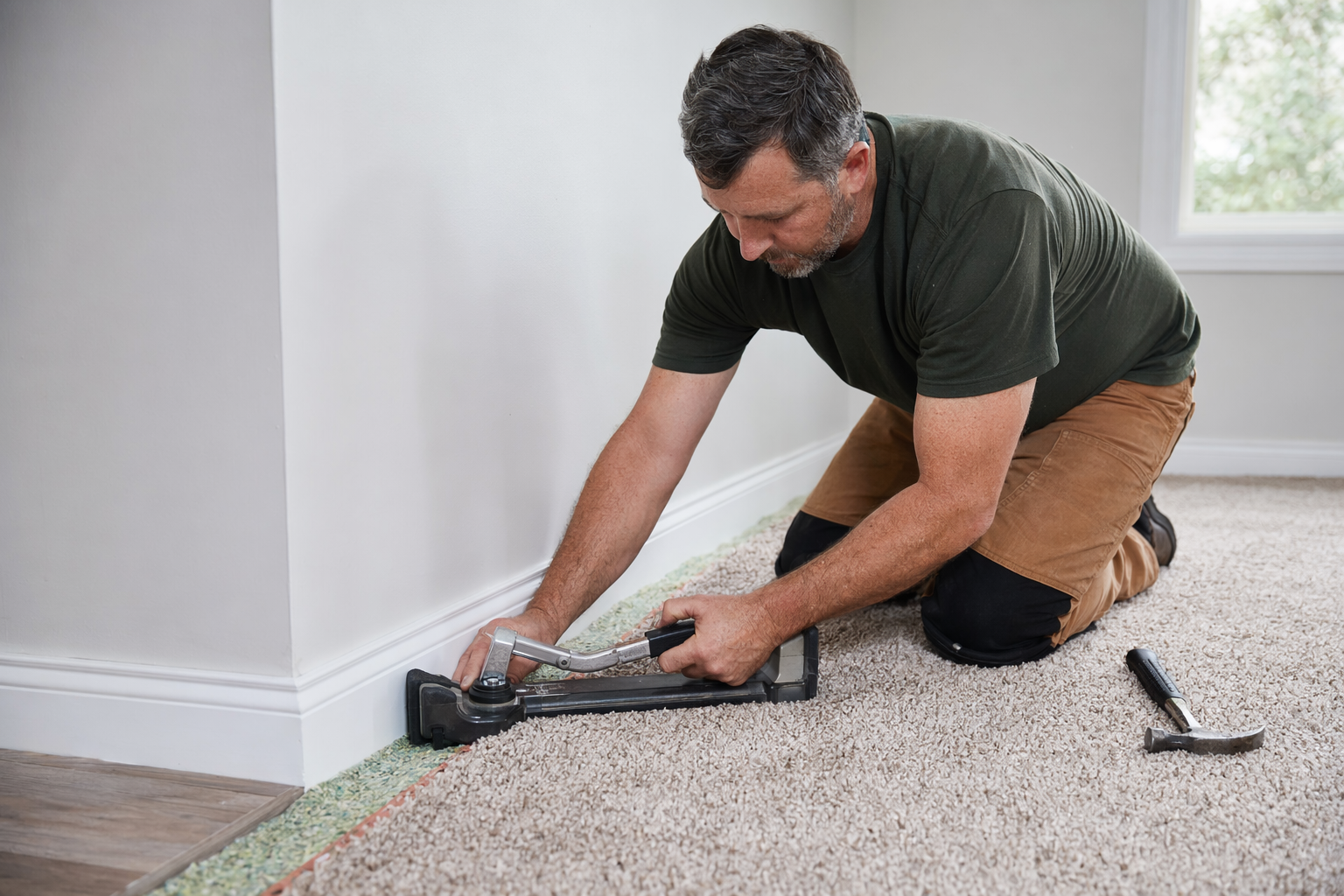
A good carpet job is about more than the carpet itself — the pad, seams, stretching, and subfloor check all matter, and it is smart to compare written quotes before hiring.
What carpet installation and replacement usually involve
Carpet installation usually means removing the old carpet and pad, checking the subfloor, installing new tack strips if needed, laying new padding, cutting and seaming the carpet, stretching it into place, and trimming the edges around walls, doorways, and vents. In stairs, hallways, and oddly shaped rooms, the work can take more skill than people expect.
A clean-looking carpet can still be installed badly. If the carpet is not stretched properly, you may see wrinkles, ripples, loose spots, or seams that show too much. If the pad is wrong for the carpet, the floor can feel uneven or wear out faster.
Replacement is also a good time to look at what is underneath. A licensed flooring contractor should tell you if the subfloor has moisture damage, soft spots, odor problems, squeaks, or uneven areas that may affect the new carpet. PlankPath is a free matching service, not a flooring contractor or carpet store, so we do not perform the work — we help you get matched with licensed, insured flooring contractors near you.

How a good contractor measures, pads, seams, and stretches carpet
Carpet is not just rolled out and cut. A careful installer measures the room layout, plans seam locations, checks pile direction, and tries to reduce waste while keeping the carpet looking consistent across the space. In open areas, poor seam placement can be obvious every day once the furniture is back.
Padding matters more than many homeowners realize. The pad affects comfort, sound, and wear. Too thin, and the carpet can feel cheap and wear faster. Too thick or too soft for the carpet style, and it can cause performance problems. A good contractor should explain which pad is appropriate for the carpet you chose instead of using vague words like "standard pad" with no details.
Stretching also matters. In many installations, power stretching is the right method to help avoid ripples later. Seams should be secure and placed thoughtfully, especially in visible traffic paths. The edges around closets, thresholds, stairs, and transitions should look finished, not hacked together.
Replace it, repair it, or just clean it?
Not every carpet problem means full replacement. If the issue is a fresh stain, minor odor, flattened traffic lanes, or dirt buildup, professional cleaning may buy you more time. Small burns, a damaged doorway edge, or limited pet damage can sometimes be repaired or patched if matching material is available.
Replacement starts to make more sense when the carpet is old, matted, smells bad even after cleaning, has repeated stains, has widespread pet damage, or has wrinkles and loose areas in multiple rooms. If the backing is failing or the pad is breaking down, cleaning will not fix the underlying problem.
If you are unsure, ask more than one contractor what they would do and why. A trustworthy flooring contractor should be able to explain whether cleaning, repair, partial replacement, or full replacement is the better value for your situation.
What carpet installation usually costs
For many homeowners in the United States, carpet installation and replacement often lands around $4 to $12 per square foot installed, including typical carpet, pad, and labor. Higher-end carpet, patterned carpet, premium pad, stairs, furniture moving, old flooring removal, floor prep, and difficult room layouts can push the price higher. Very basic carpet in a simple room may come in lower in some areas.
If you are replacing carpet on stairs or doing a small job, the per-square-foot cost is often higher because the labor is more detailed and the job size is less efficient. Subfloor repairs, moisture issues, pet odor treatment, and transition work can also add cost. Regional labor rates and local demand matter too.
These are general ranges, not quotes. The real number depends on the carpet style, pad, subfloor condition, room shape, stairs, region, and total size of the job. If you want to compare flooring costs across materials, you can also explore cost guides and flooring materials.
What to watch for so you do not overpay
Carpet jobs can look simple on paper, which makes vague pricing common. Be careful if a contractor gives only a single total with no breakdown for carpet, padding, removal, prep, stairs, transitions, and disposal. You want the material, scope, and price in writing before you agree to anything.
Watch for red flags: huge upfront cash deposits, cash-only deals, no license, no proof of insurance, pressure to sign the same day, or a contractor who ignores the subfloor completely. Skipping subfloor problems can leave you with odor, noise, uneven spots, or early wear under a brand-new carpet.
It also helps to compare more than one quote in writing. Ask what pad is included, how seams will be handled, whether furniture moving and haul-away are included, and what happens if hidden floor damage is found after removal. The homeowner stays in control: compare written quotes, choose who to hire, and confirm the work is done right before paying the final amount.
- Get the carpet brand or grade, pad details, and scope in writing
- Ask whether old carpet removal, disposal, and transitions are included
- Verify license and insurance before scheduling
- Be cautious with rushed sales pressure or vague "today only" pricing
How to find a licensed carpet contractor through PlankPath
If you want help getting started, PlankPath can help you get matched with flooring contractors near you for carpet installation or replacement. Our service is free for homeowners. We are not the installer, and we do not sell carpet. We simply help connect you with licensed, insured flooring contractors so you can compare options.
To get matched, we collect only basic contact and project intent details: your name, phone number, optional email, project type, material of interest, ZIP code, approximate square footage, and preferred language. We do not ask for financial account numbers, Social Security numbers, income, or sensitive personal records.
You can browse flooring services or go straight to get matched. Once you receive responses, ask for written estimates, confirm licensing and insurance, and make sure the quote explains the carpet, pad, prep, and labor clearly.