Flooring Cost Estimator
Use this free Flooring Cost Estimator to plan your budget before you call contractors. It helps you estimate a fair cost range by room size and material, so you can spot overpricing.
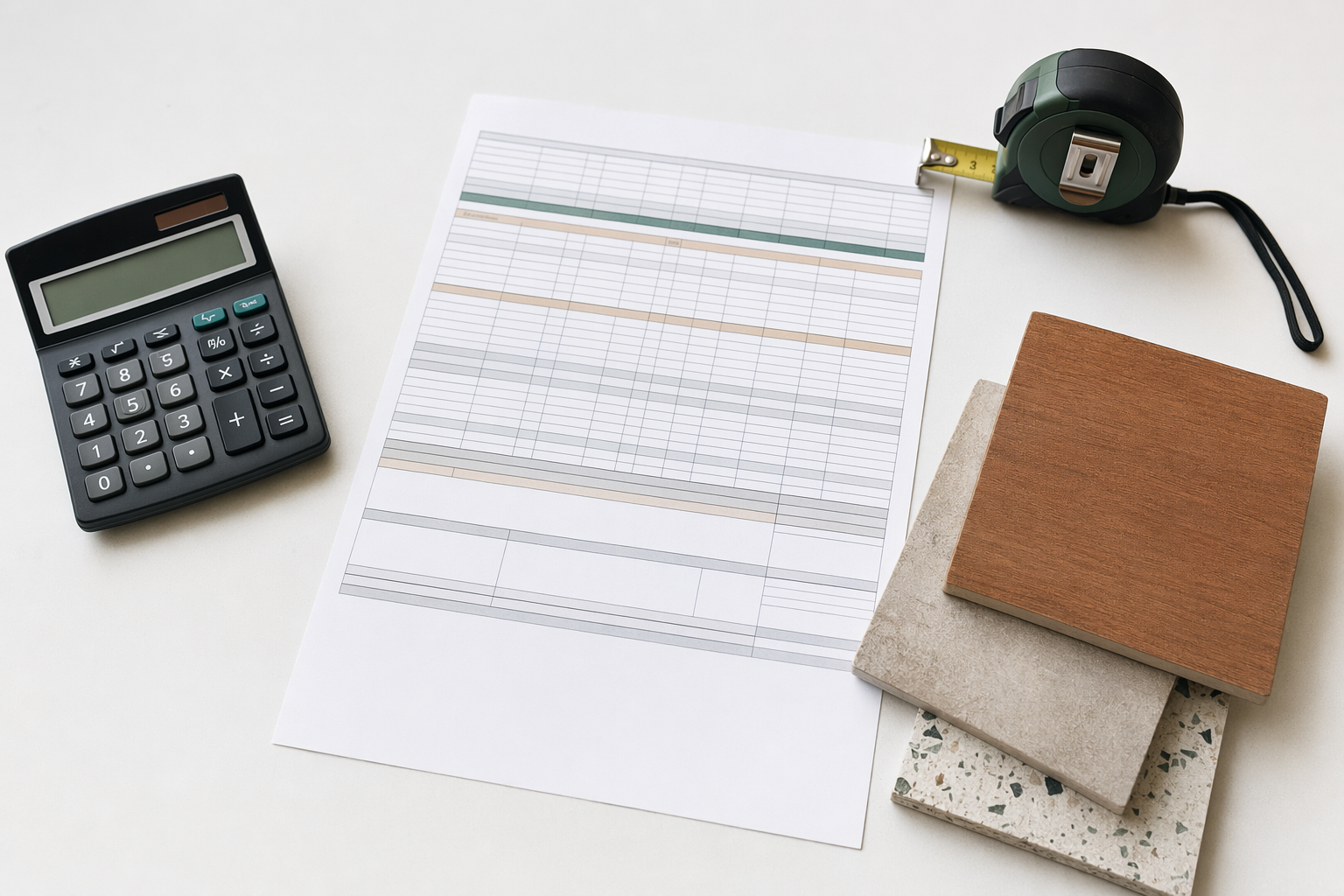
Download the free estimator to figure out a realistic flooring cost range by room and material, then use it to compare contractor quotes with a clear scope.
What’s in the estimator (and what it’s NOT)
The Flooring Cost Estimator worksheet is a practical, printable tool that organizes your project into clear parts: room measurements, the flooring type you want, and a realistic cost range for material plus installation.
It’s designed to help you ask better questions and compare quotes on the same basis. It does not replace contractor pricing, and it doesn’t guarantee your final cost—actual bids depend on your home, subfloor condition, layout, and local labor/material prices.
PlankPath is a FREE matching service that helps you connect with licensed, insured flooring contractors near you. We don’t install floors and we don’t sell materials, so this estimator is here to help you come prepared before you request quotes.
Who this helps most
This tool is for homeowners (and renters, if allowed by the lease) who want to avoid surprises and make sure they’re comparing fair options. It’s especially helpful if you’re new to flooring projects, prefer reading in plain language, or are dealing with a language barrier.
If you’re replacing old floors, choosing flooring for a specific room, refinishing hardwood, or fixing damaged areas, you’ll be able to estimate the ballpark range first—then use it to judge whether a quote looks reasonable.
You’ll still need a licensed, insured contractor to confirm what your subfloor and current situation require (for example, leveling or prep). This worksheet stays on the “planning” side, not the “construction instruction” side.
How to use it before you request quotes
1) Fill in your room sizes. Use the best measurements you have (length × width). If you don’t know the exact square footage, estimate and write “approx” so you remember it’s not final.
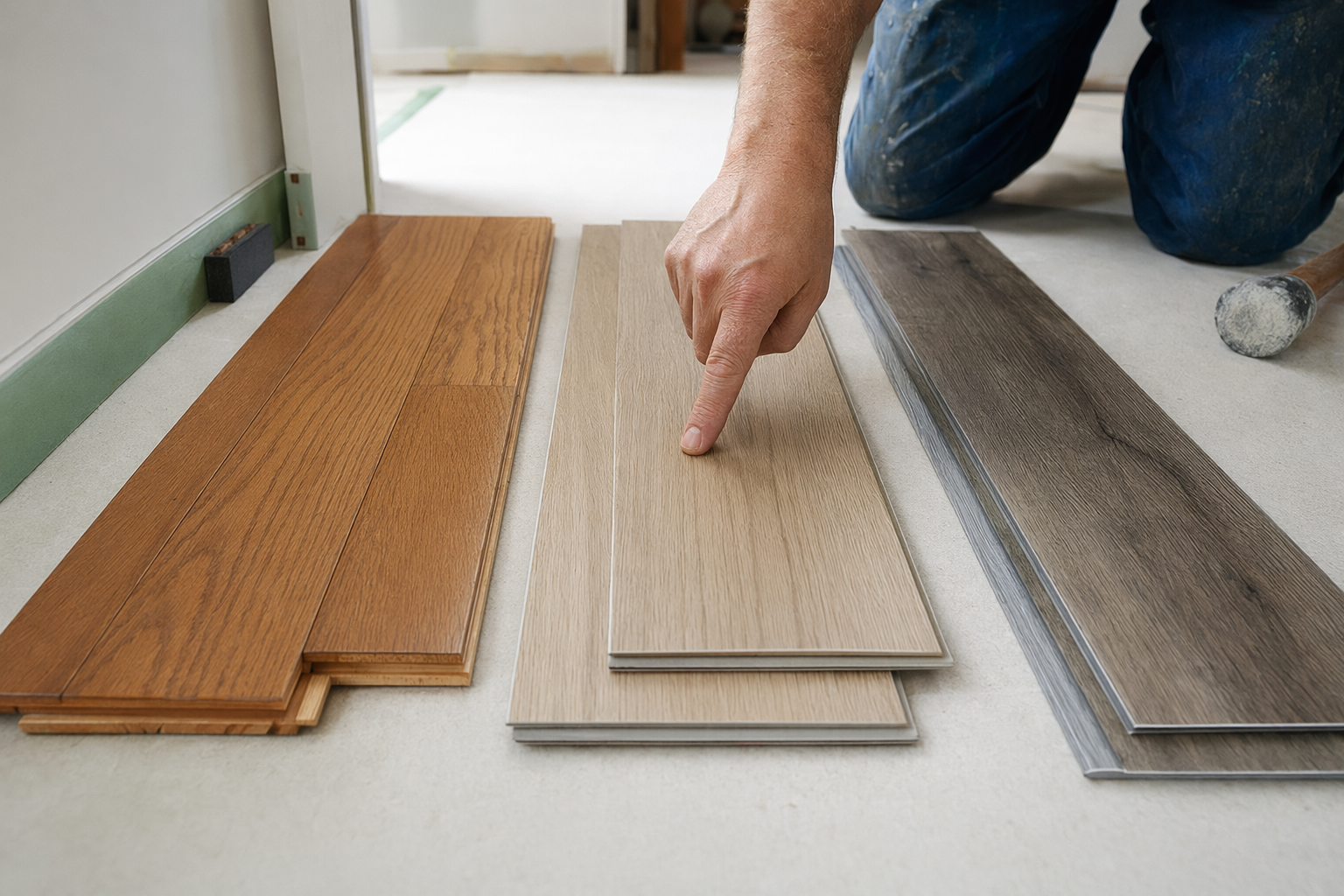
2) Choose your flooring material category. The worksheet uses common ranges for popular types like hardwood, engineered wood, laminate, luxury vinyl plank (LVP), tile, carpet, and others. Pick the closest option to what you’re considering.
3) Estimate the cost range for each room. The worksheet calculates a rough total using honest per-square-foot ranges (material + installation). Remember: ranges are not quotes.
4) Note what might change the price. Most worksheets include spaces for “things that can raise cost,” like extra prep, unusual room shapes, stair work, or demolition. You’ll use these notes when you talk to contractors.
5) Bring it to quotes and compare. When you call contractors or use get matched, ask for written pricing that matches your scope. If two quotes are wildly different, use the estimator to decide what questions to ask next.
If you want a checklist for contractor conversations, see how to vet a flooring contractor.
How to read the numbers (cost ranges vs. quotes)
The estimator uses cost-per-square-foot ranges so you can plan realistically. Your final price can be higher or lower depending on the exact product, thickness/wear layer (for some types), installation method, and what’s underneath.
Common factors that change installed cost include:
- Subfloor condition (flatness, repairs, moisture issues)
- Room complexity (small rooms, lots of cuts, transitions)
- Prep needs (removal of old flooring, smoothing/leveling)
- Underlayment type (especially for some floating floors and carpet)
- Trim/baseboards, stairs, and disposal
A “cheap” quote that skips needed prep can lead to problems later. For general material choices and trade-offs, browse materials.
Questions to ask after you fill it out
Once you have your estimated ranges, you’ll be in a stronger position to get clear, written quotes. Aim for quotes that list material type, labor, and the scope of prep.
Here are smart questions to bring:
- What’s included in your installed price (removal, prep, underlayment, transitions)?
- What part of the price range do you think applies to my home, and why?
- How do you handle damaged boards, uneven subfloors, or moisture concerns (based on your inspection)?
- Do you provide a written scope and payment schedule?
- What warranty coverage is included, and what does it cover?
If you run into red flags—vague pricing, large upfront cash deposits, cash-only, no license/insurance, pressure to sign immediately, or talk of skipping subfloor prep—pause and get more information first.
Next step: get matched (free) or compare quotes
After you download and complete the estimator, you can use it as your “budget baseline.” Then, you can reach out to licensed, insured contractors. If you’d like help connecting with options near you, PlankPath offers free matching through get matched.
When contractors respond, compare their written proposals against the scope you planned. You stay in control of who you hire and what you pay—confirm everything is included before any work begins, and verify the work is done correctly before the final payment.
The estimator helps you avoid guessing. It won’t replace an inspection or a written quote, but it can help you spot fair pricing before you commit.